

Apiary Setup

Establishing the Apiary
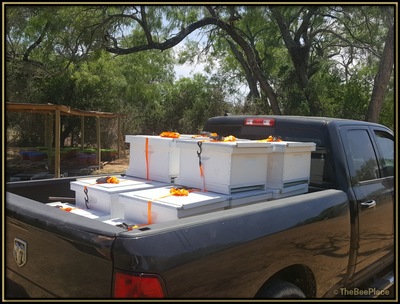

When setting up a new apiary, we want to think about two things at the same time: what the bees need, and what will make the location safe and practical for the beekeeper.
The hives will require occasional feeding, inspections, and general maintenance throughout the year, so choosing a location with reliable access is important. Most beekeepers eventually find themselves carrying equipment, syrup containers, hive boxes, and other supplies back and forth to the apiary. Because of that, we generally select a spot where the hives can be reached easily with a vehicle such as a pickup truck, side-by-side, or even a small cart.
Safety is especially important in our area.
If and when a managed hive swarms (see Swarming for details), the parent colony raises a new queen that will fly into the wild to mate. Since queen bees only mate one time in their life, (the ones we offer are already mated) the ONLY time that a managed colony can mix breed with any others including wild bees and potentially become more defensive, is when they make a new queen. This happens either due to swarming or something else happening to the original queen. e.g. Supersedure or Emergency queen replacement. See About the Queen for more information.
In south-central Texas, many wild colonies carry Africanized genetics, which are known for stronger defensive behavior. Because of this, responsible colony management—especially swarm prevention—and thoughtful apiary placement are important for protecting the beekeeper, nearby neighbors, livestock, and other animals.
More information about this topic is covered on the Bee Safety page.
For now, the goal is simple: choose a practical location for the hives and place them on stable stands where they can be easily accessed and managed.
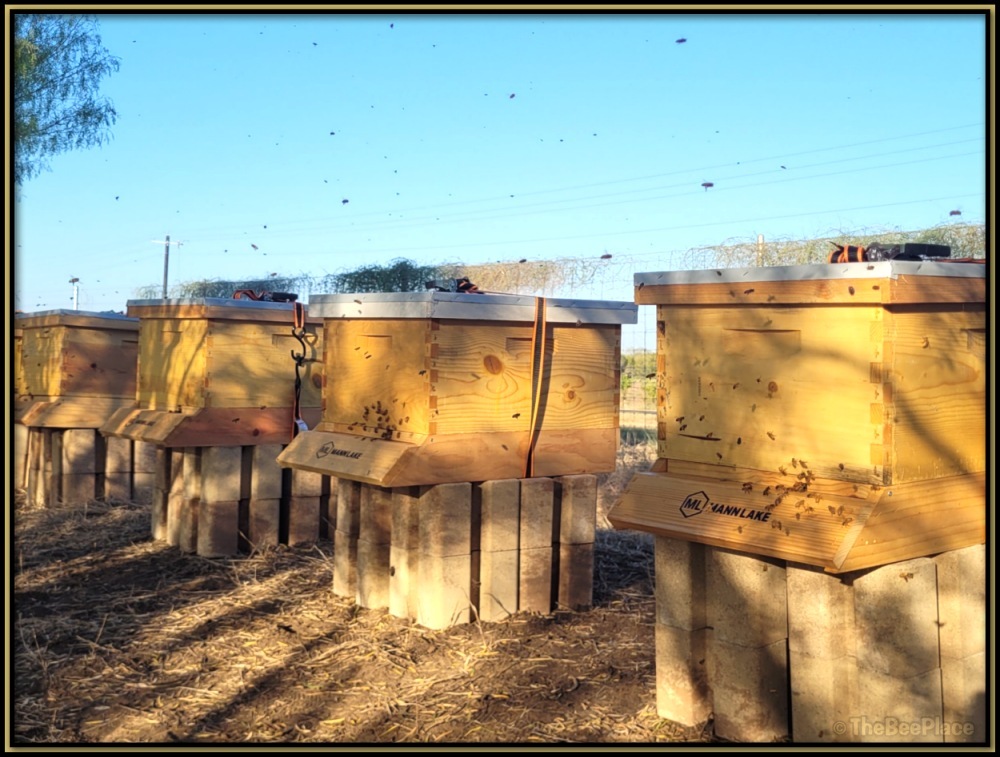
Bee Yard Recommendations
Before worrying about the “perfect” apiary layout, it helps to understand what honey bees actually require. Colonies are very adaptable and can live in many different environments as long as a few basic needs are met.
The most important considerations are:
- A stable hive stand that will not tip or shift
- Access to a nearby water source
- Not right next to the hives — 50 yards is fine, 200 yards is okay, but 2 miles to the neighbor's creek is not ideal. (see Watering Bees for details)
- Easy access for the beekeeper to inspect and manage the hives
Bees will travel long distances, often several miles, to collect nectar and pollen, so hives do not need to be placed near gardens or flowers. Natural forage is usually spread across a wide area.
However, the beekeeper must be able to access the hives easily. At times you may need to carry equipment or containers of syrup to the apiary, so placing colonies where a vehicle, wagon, or side-by-side can reach them makes management much easier.
Apiary setup is often more about what works for the beekeeper than following strict rules for the bees.

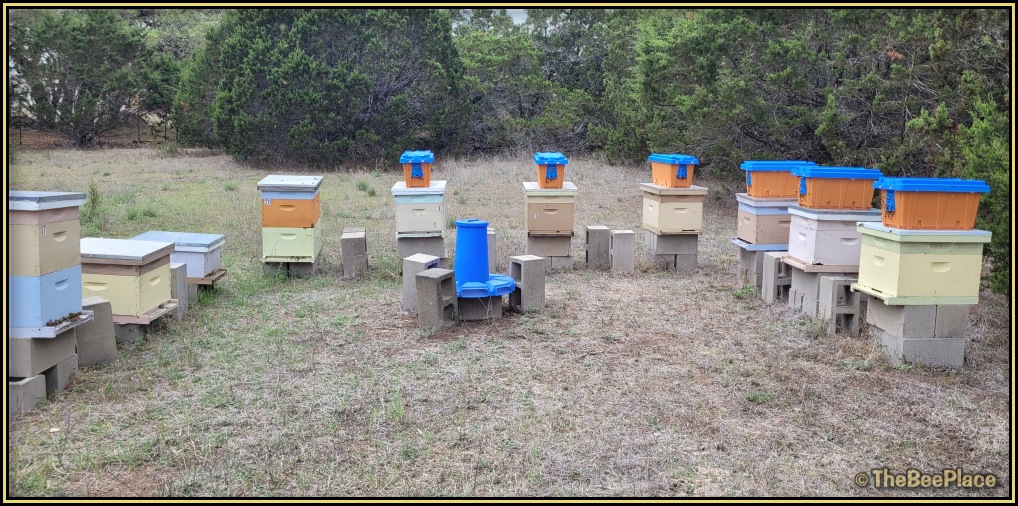
Secondary List: (bonus, but not required)
- Wind Break — can be a shrub line, tree line, or man-made barrier
- Afternoon Shade — trees with dappled shade or a simple man-made shade structure
- An area away from livestock pens, heavy human foot traffic, and mowing or lawn maintenance using small gas engines
- There is no exact number for how far is “too far” or “far enough.” Roughly 50 yards is generally fine, but when keeping gentle bees that distance is often much closer. Around 20 feet is typically workable.
- Visit the Bee Behavior page for more on this topic.
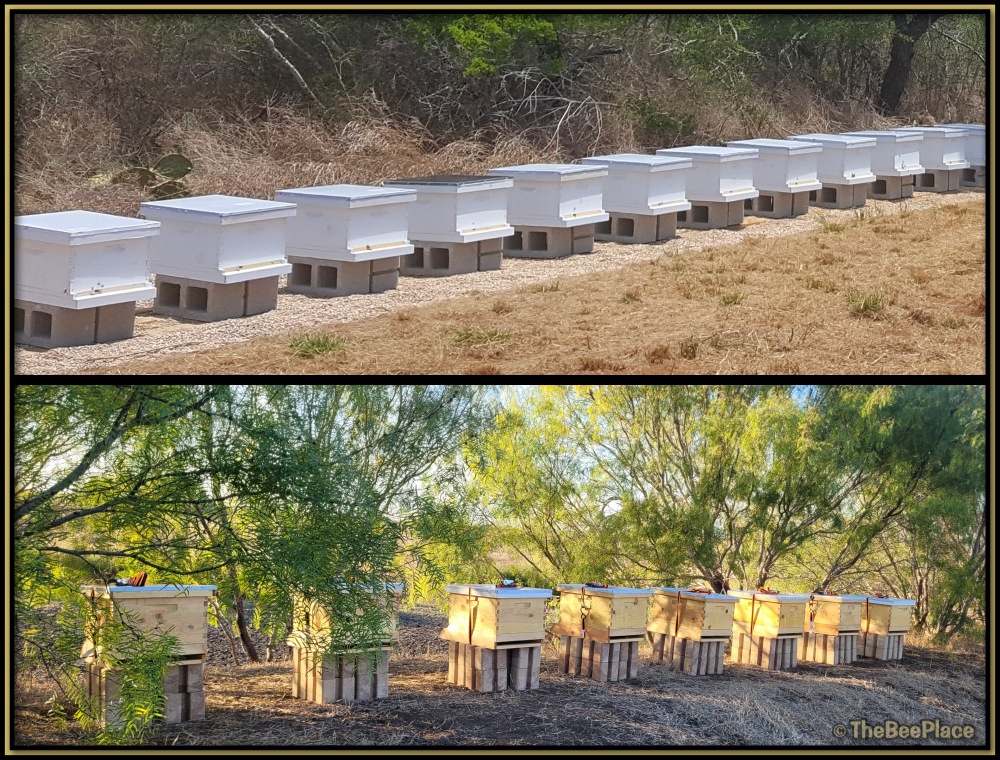
Shade vs Full Sun
Shade can be helpful during hot weather because it allows the bees to conserve energy while regulating the temperature inside the hive. However, bees do not require full shade, and many successful apiaries operate in partial sun with some afternoon protection.
Some locations may offer little or no shade, such as watermelon fields or other open agricultural areas. Bees can still do well in those conditions, but there are trade-offs. Colonies must make many more trips to the water source to help cool the hive, which makes a nearby water supply more important and also increases the amount of honey the bees consume as flight fuel.
Keep in mind that small hive beetles also prefer shady areas, so balance is important. See the Small Hive Beetles page for more information.
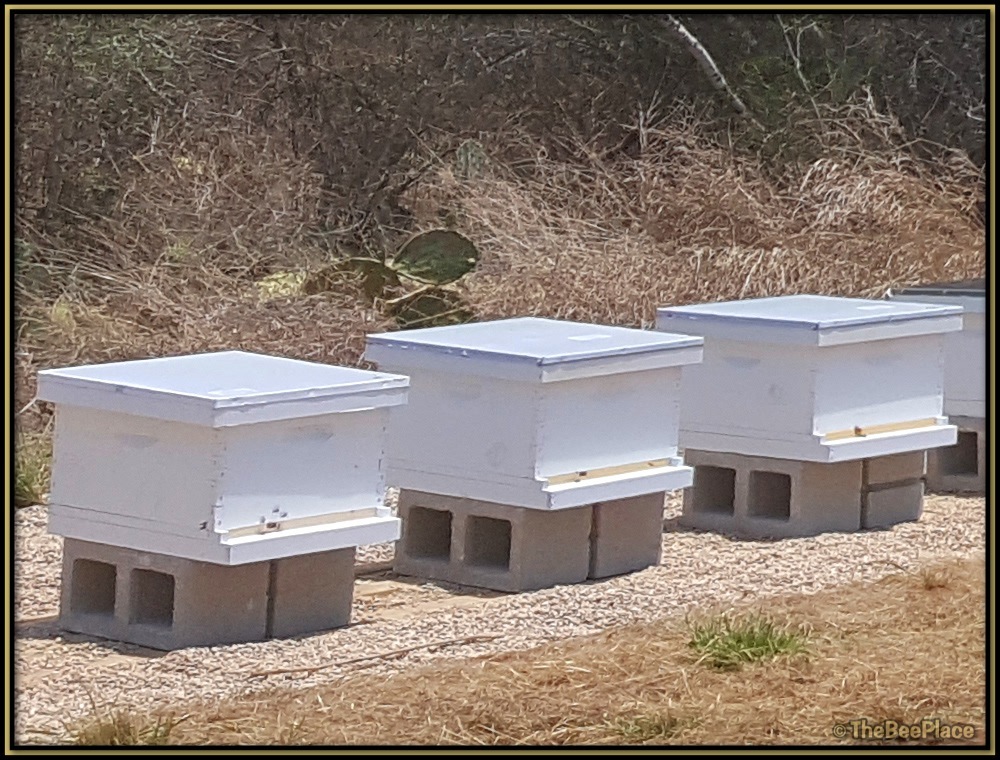
Getting the Hive Started
Once your hives are placed on the stands, remove the entrance plug and allow the bees to begin flying and orienting to their new location.
It is normal to see bees hovering in front of the hive entrance during this time. These are orientation flights as the bees memorize the location of their new home.
Some beekeepers prefer to face hive entrances toward the southeast. This can provide a little morning sun and may help with airflow during warmer weather, but it is not a strict requirement. Bees adapt well, and many apiaries operate successfully with hives facing different directions.
The main goal is simply to place the hives in a stable location and allow the bees time to settle in and begin normal activity.
Hive Stand Options
There are many ways to support a hive, and the bees themselves are not concerned about how the stand looks as long as the hive stays dry, level, and off the ground.
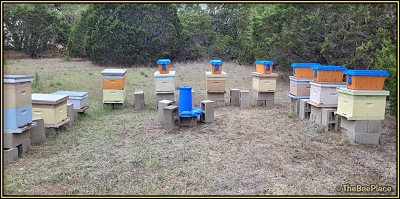
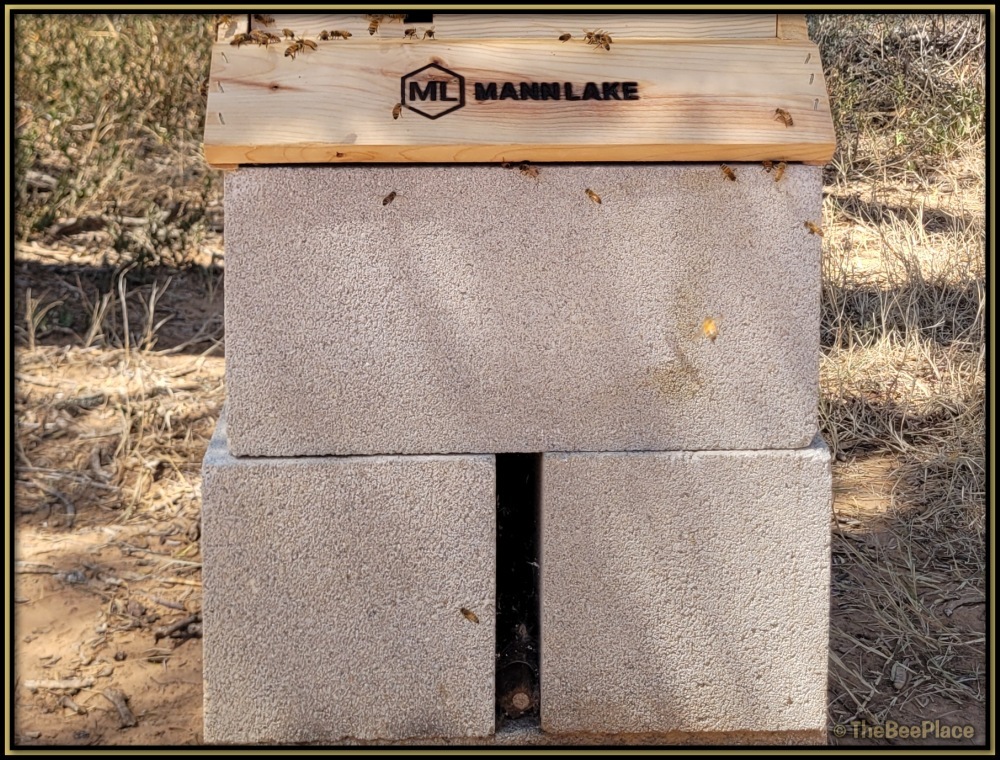
Some beekeepers prefer simple, low-maintenance options such as concrete blocks, while others build decorative wooden or metal stands if the hives are located in a visible backyard or garden area.
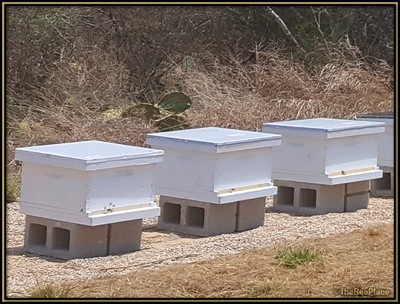
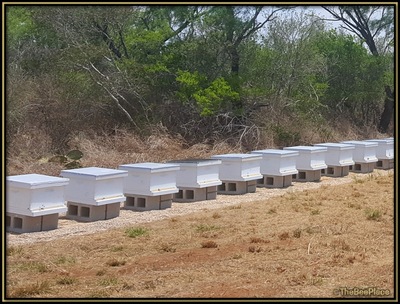
Concrete blocks are a very practical choice because they are inexpensive, extremely stable, and require no maintenance. Two sets of blocks stacked a few inches apart create a strong base that will last for many years. If the ground is uneven, the area can easily be leveled with a little fill dirt or gravel before placing the blocks.
When multiple hives share a single long stand, remember that vibrations from working one colony can sometimes be felt by the neighboring hives. For that reason, it is usually best to lightly smoke all of the colonies before beginning an inspection.
Ant control is another factor to consider with hive stands. Different stand designs can make pest control easier or more difficult depending on the setup. We will cover this in more detail in the Pest Issues section.
