

About Africanized Bees

Africanized Honey Bees
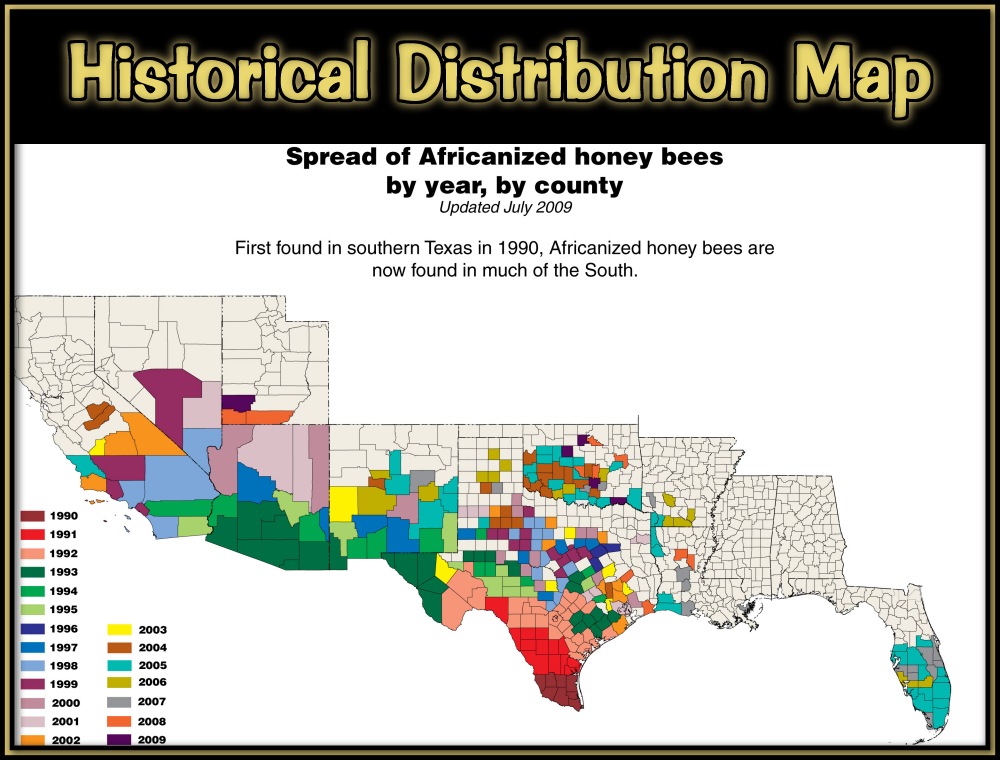
Africanized honey bees (AHB) are a hybrid strain of the Western honey bee (Apis mellifera) that became established in parts of the southern United States beginning in the early 1990s. While they are the same species as European honey bees, certain behavioral traits can differ significantly.
What Makes Them Different?
Africanized honey bees are not a separate species. They are a regional strain of Apis mellifera that developed from African honey bee genetics introduced into South America in the 1950s. Over time, these genetics spread naturally through swarming and interbreeding.
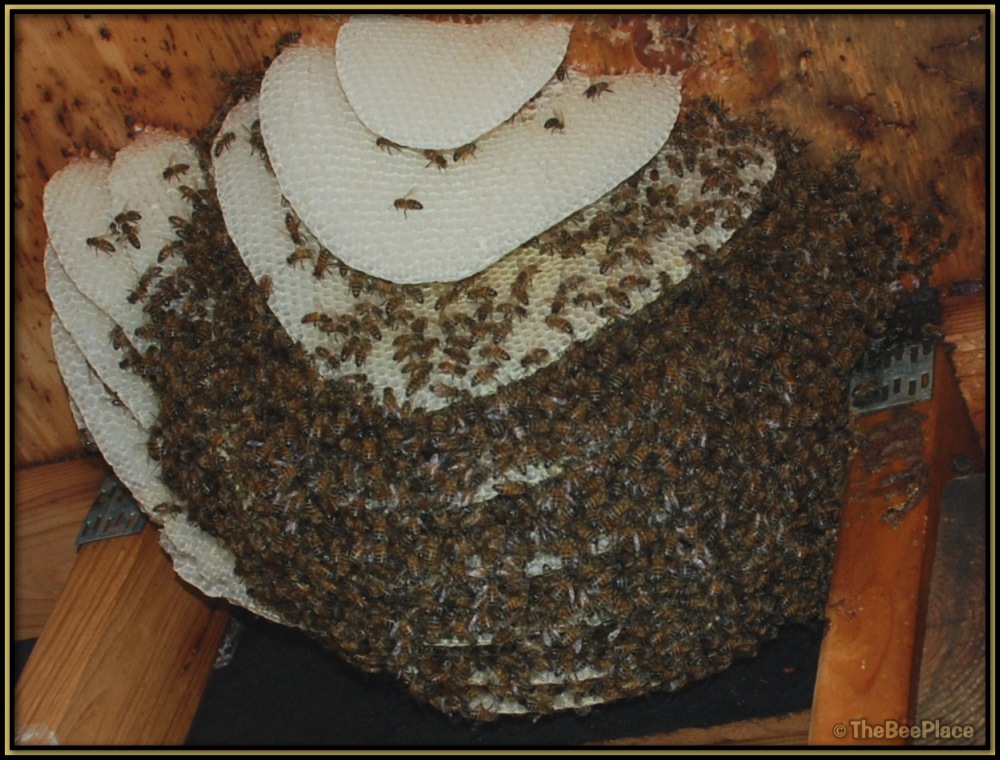
Visually, Africanized bees look nearly identical to other honey bees. The primary differences are behavioral rather than physical.

Behavioral Characteristics
- More defensive response to disturbance
- Quicker to mobilize large numbers of guard bees
- Greater sensitivity to vibration and movement
- More frequent swarming and absconding behavior
- May pursue perceived threats farther than typical European strains
It is important to understand that defensiveness exists on a spectrum. Not every colony with Africanized genetics behaves the same way, but unmanaged or feral colonies in affected regions can present elevated risk.

Management and Public Safety
Proper queen selection and responsible hive management greatly reduce the likelihood of excessive defensiveness in managed colonies. Commercial and responsible hobby beekeepers routinely requeen colonies that display undesirable traits.
Public awareness and responsible management practices have significantly reduced incidents compared to the early years of Africanized expansion.

Our Approach
At The Bee Place, we select and maintain gentle, manageable stock suitable for backyard and commercial beekeeping. Colonies that display excessive defensiveness are not used in our breeding program.
Education and proper management are key. Honey bees are valuable pollinators, and understanding their behavior allows us to work with them safely and responsibly.
Learn More About Bee Safety
Anyone working around honey bees should understand basic safety practices, including how to respond to stings and when to seek medical attention. For practical guidance, visit our Bee Sting Safety page.
