


Italian Bees

Honey Bee Species
Honey bees exist in multiple species and regional variations across the world. While many are fascinating to study, we focus on the Western honey bee (Apis mellifera) and the specific lines best suited for beekeeping in South Texas.
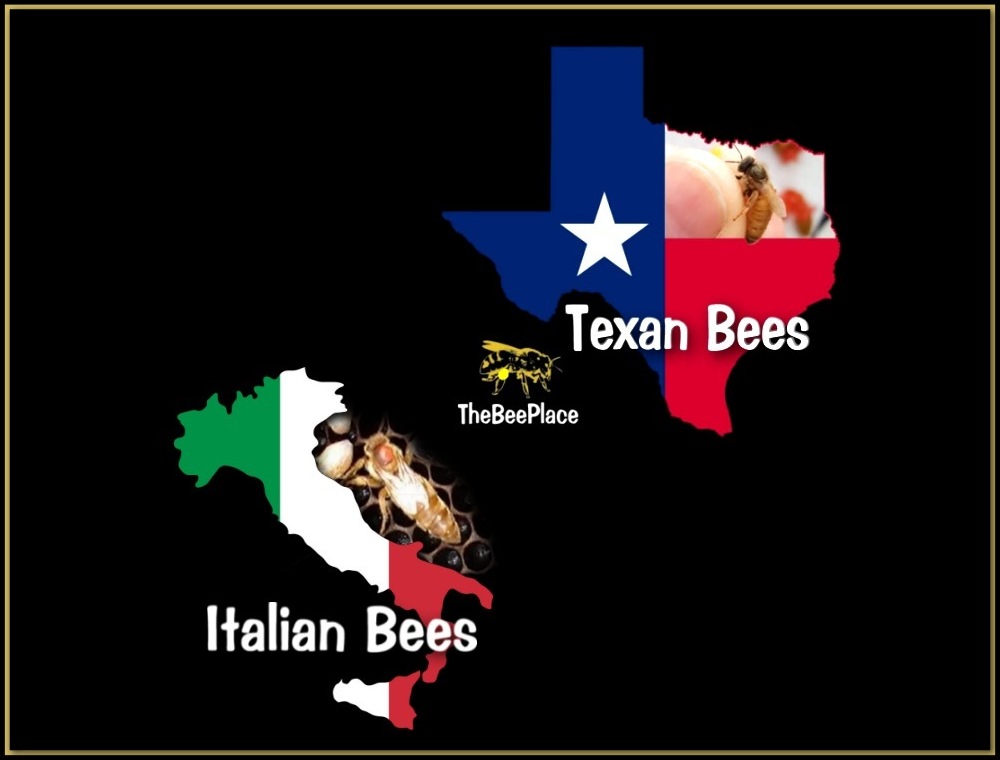
Scientists recognize multiple species within the genus Apis, along with dozens of regional subspecies. In our area, we work exclusively with the Western honey bee (Apis mellifera) and offer two carefully selected lines — Italian and Texan — chosen for performance in our climate and management system.
See below for more information about other Honey Bees from around the world.



Other Honey Bee Species Around the World

Scientists recognize multiple species within the genus Apis, along with dozens of regional subspecies that have adapted to climates across Europe, Africa, and Asia. While we focus on Apis mellifera for practical beekeeping in South Texas, honey bees as a whole represent a fascinating and diverse group of social insects.
The Western honey bee (Apis mellifera) was introduced to North America in the 1600s and has since become the primary managed pollinator across the continent. Over time, regional strains developed, each adapting to local climates and conditions.
While only a handful of honey bee species exist, there are more than 40 recognized subspecies of Apis mellifera alone. These regional variations reflect adaptation to climate, forage availability, and environmental pressures over centuries.


