

Hive Inspections

What to Look For (And What Not To Do)
A proper inspection should be purposeful, efficient, and calm.
Open with a plan. Close with confidence.
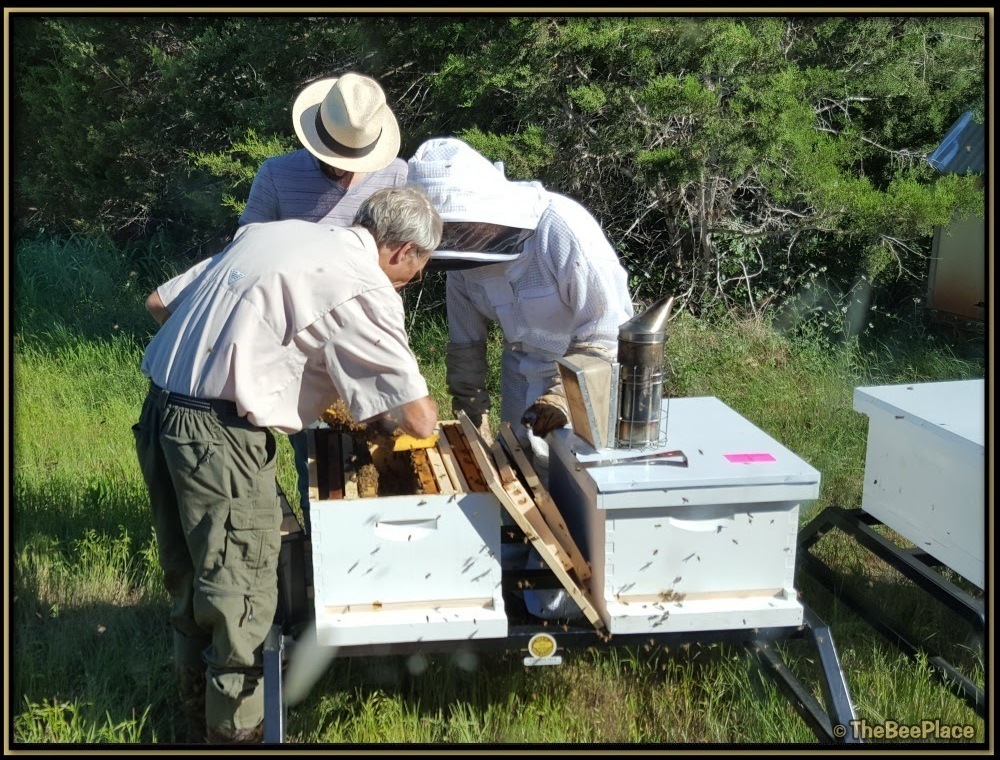
Have a Plan Before You Light the Smoker
Never open a hive just to “see what’s going on.”
Before you step into the apiary, know why you’re going in:
- Checking general health?
- Adding space?
- Adding treatments?
- Adding Feed?
- Performing a mite wash?
- Replacing a queen?
Bring what you need.
If you don’t have a reason, don’t open the box.

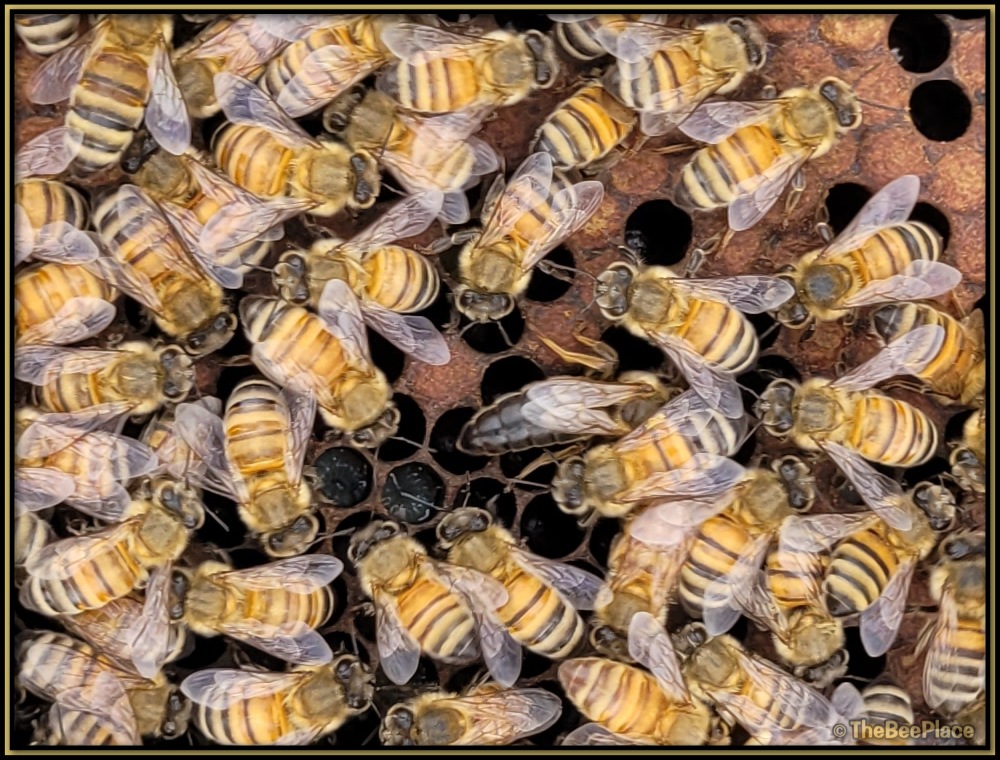
Get In and Get Out
A routine health check should take seconds — not 30 minutes.
You do not need to:
- Find the queen every time you inspect
- Inspect every frame in the hive
- Search through the hive with the lid open
In most cases, 30–90 seconds to look at a few frames tells you everything you need to know - once you learn to evaluate what is in the comb. e.g. Food, brood, space, and/or problems.
The longer the hive stays open, the greater the robbing risk becomes.
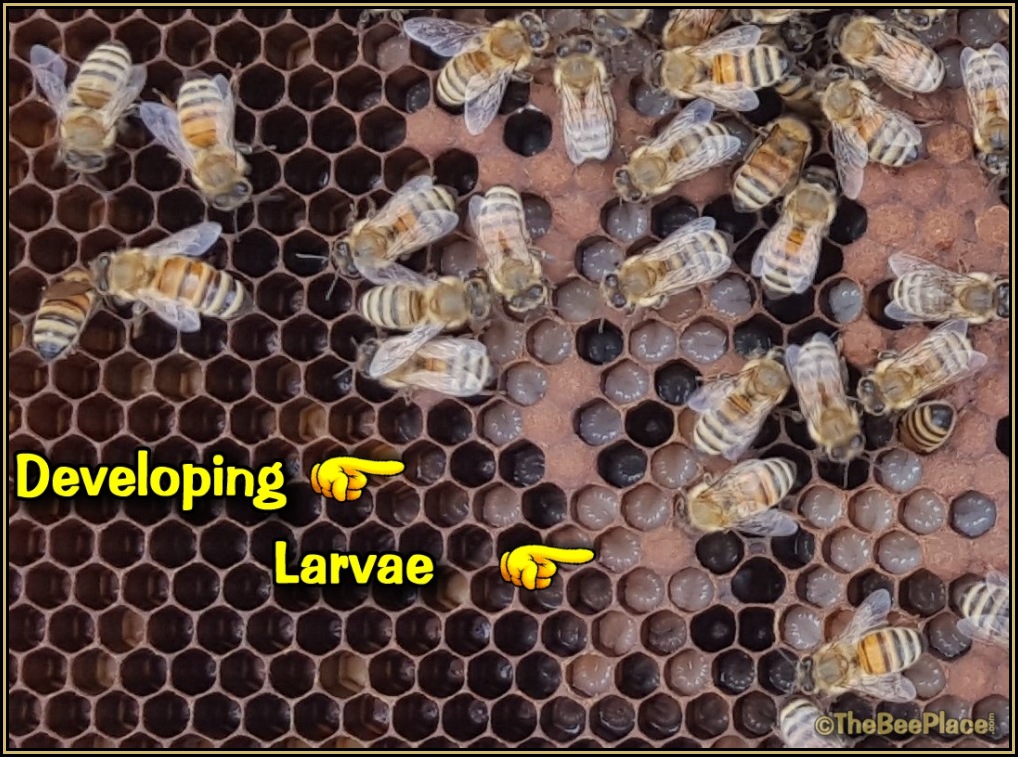
What You’re Actually Looking For
A quick inspection answers four questions:
- Is the queen laying?
- Fresh eggs and young larvae present
- Are there ample food stores?
- Enough nectar and pollen to produce brood food
- Is the brood healthy?
- Correct color, smell and solid pattern
- Does the colony have enough space - growing room?
- Plenty of room for storing more food and room for the queen lay eggs
If those four are satisfied — close it up.
I Do NOT Need to See the Queen
I only need to evidence that I have a productive queen.
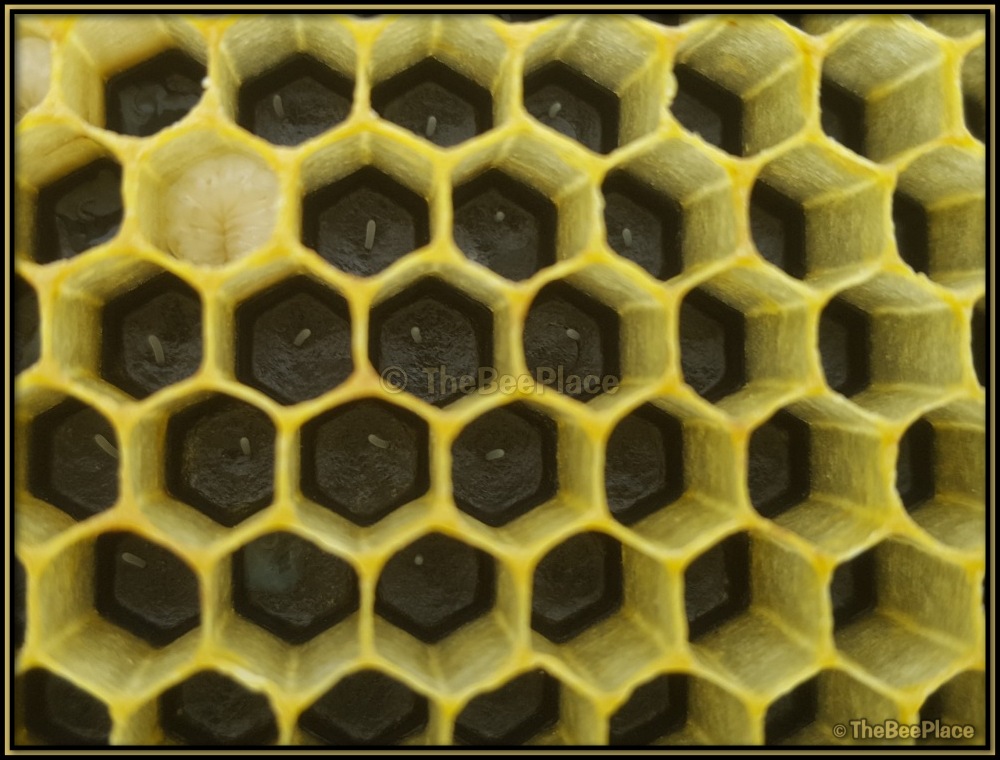
If I see fresh eggs, I know the queen has been present within the last 3 days.
- Eggs = queen recently laying
- Young larva = queen laying within the last week
Unless I am replacing her, I do not normally need to find her.
If I learn to read the comb — I do not need chase the queen.
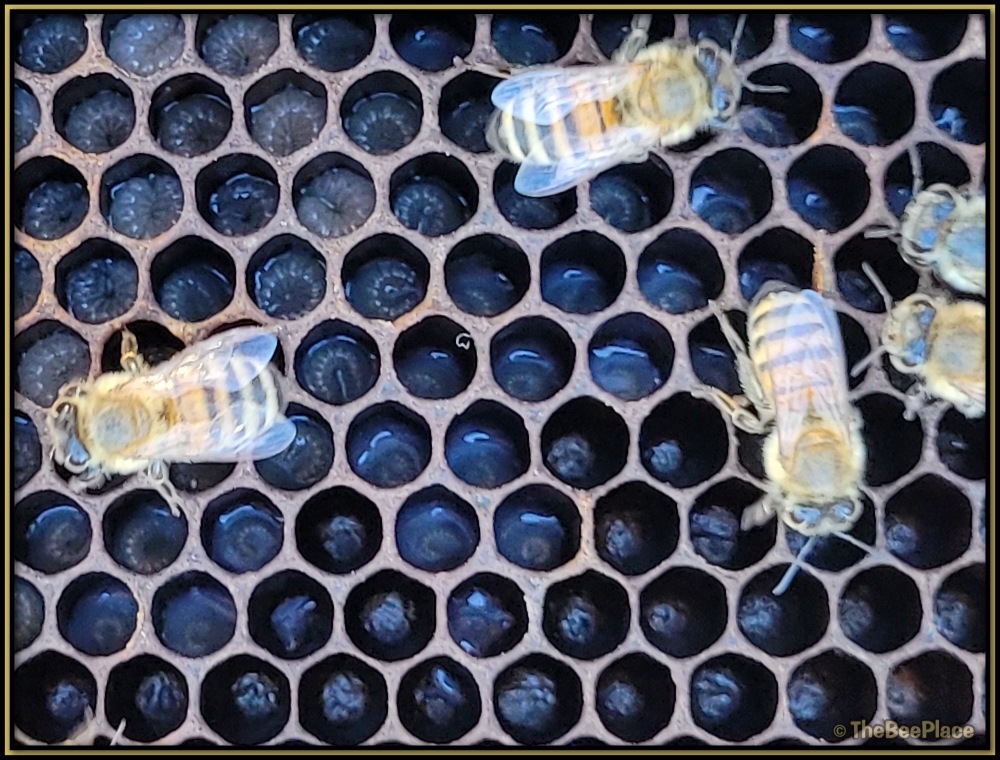
Eggs, Larvae & Royal Jelly
Healthy brood progression should include:
- Eggs — tiny grains of rice standing upright in cells
- Young larvae — white “C” shape
- Royal jelly — milky brood food surrounding larvae
If you see all stages present in a tight area, the brood cycle is functioning normally.
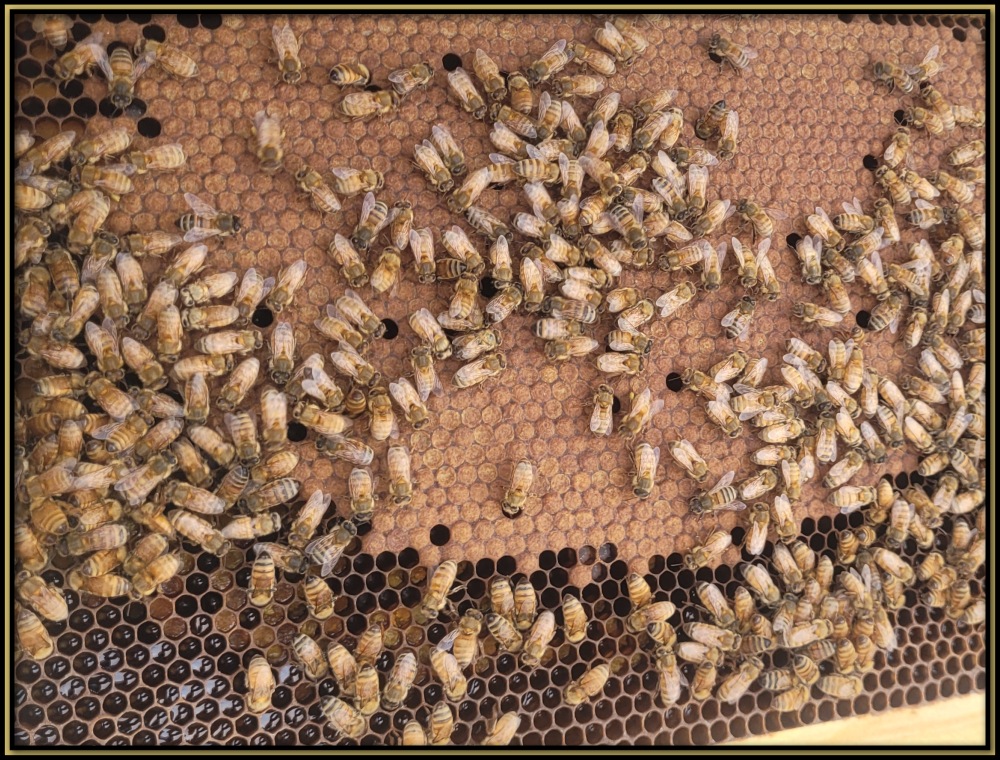
Read the Brood Pattern
A healthy colony shows a solid, consistent brood pattern.
Capped brood should appear:
- Compact
- Even
- Dense in the center
A scattered or “shotgun” pattern may indicate:
- Queen issues
- Disease
- Nutritional stress
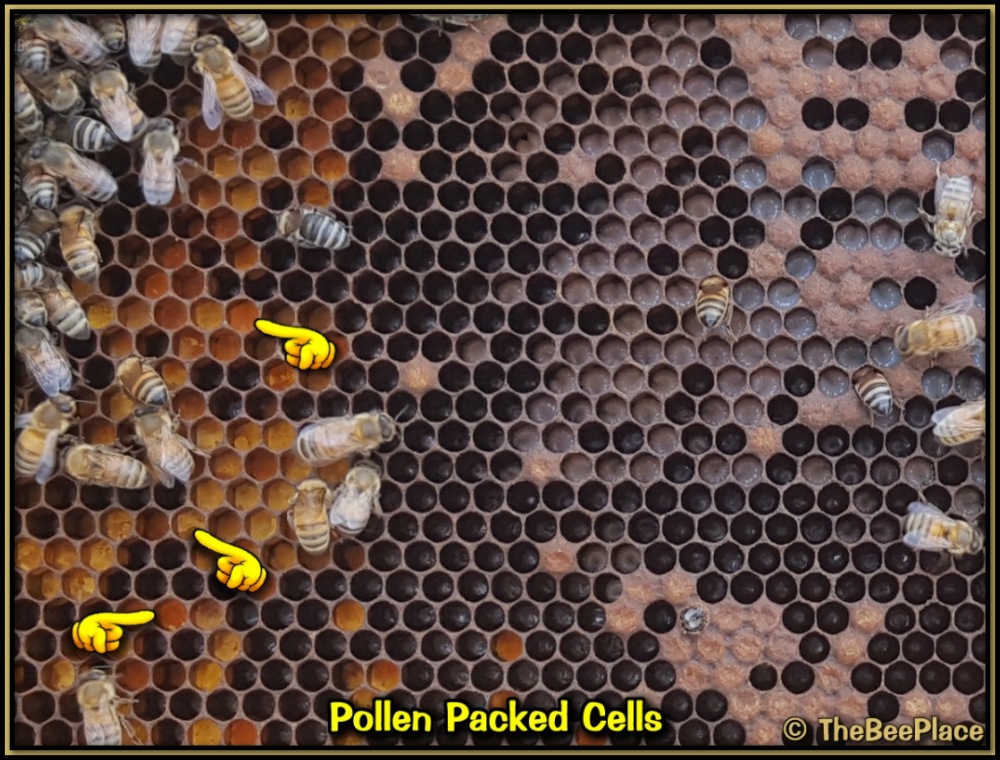
Check the Groceries
Bees cannot raise brood without food.
Look for:
- Pollen (various colors packed into cells)
- Nectar (wet, shiny cells)
- Honey (capped stores)
Never assume they “must have food”, just because you see flowers. Flowers do not always produce nectar, especially when rainfall is lacking.
Always verify.
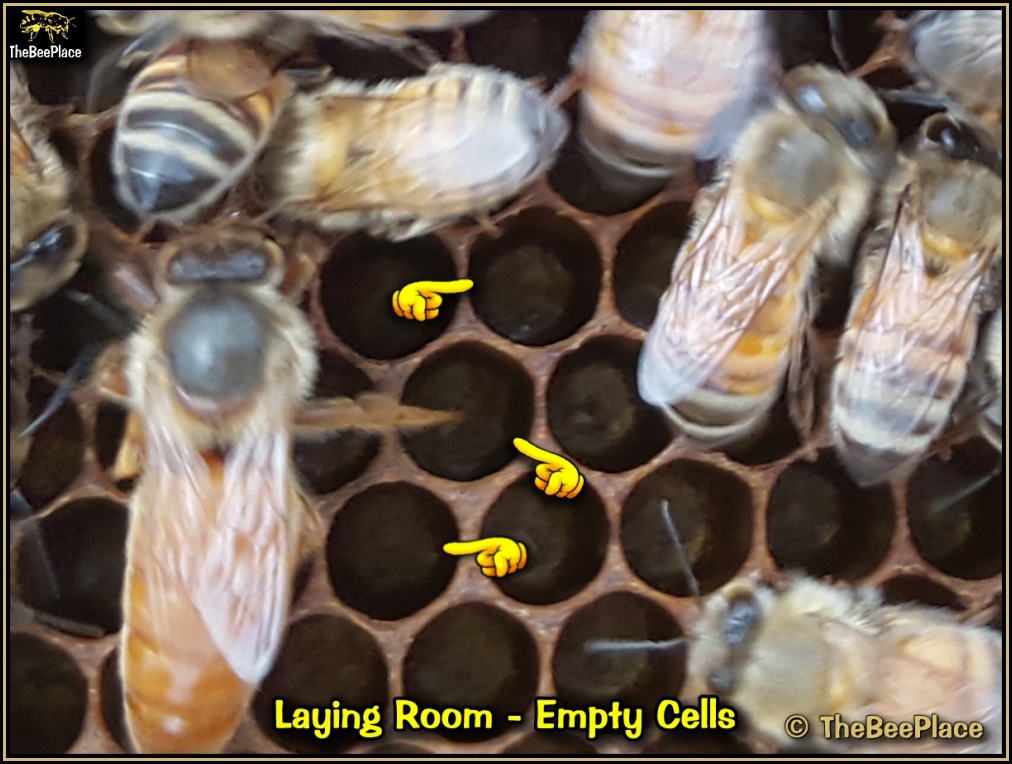
Do They Need More Room?
If the brood box is 70–80% full, it’s time to add space.
Failing to expand the cavity can trigger:
Swarming
Congestion
Reduced productivity
Stretch the "tree cavity" (by adding a box with waxed frames) before they decide to leave it. See 70% rule in Swarming.
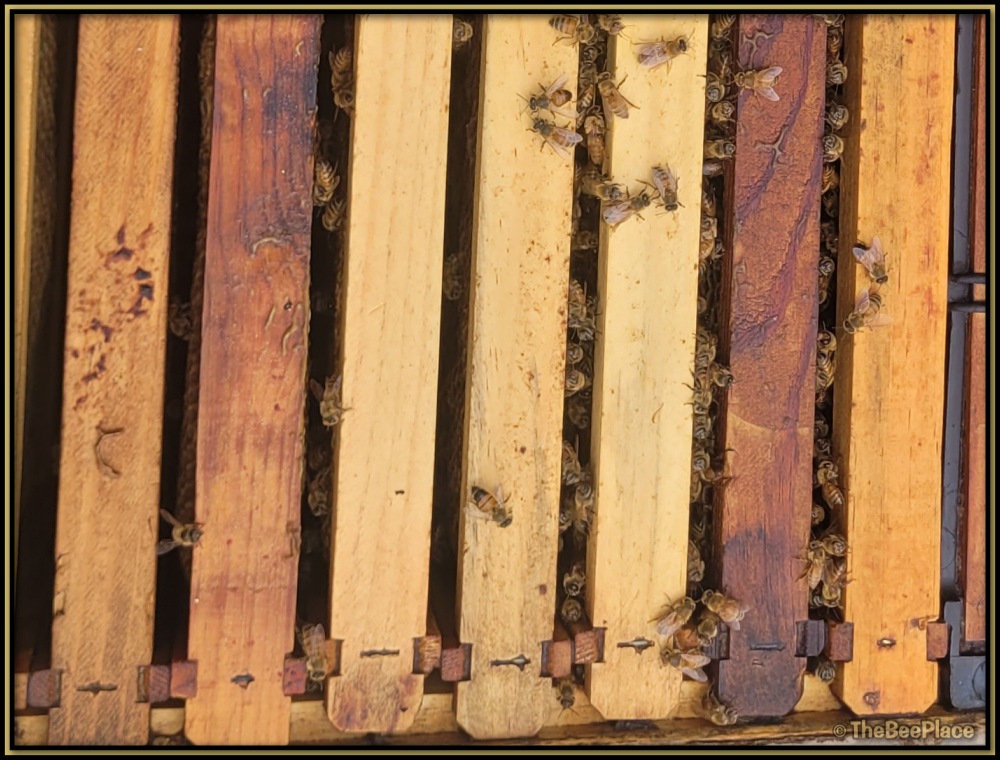
When to Investigate Further
Slow down and inspect deeper only if:
- No eggs or young larvae are present
- Brood pattern is irregular
- Food stores are low
- Colony population seems weak
- Unusual odor is detected
Otherwise — close it up and make any notes needed.
Then, proceed to the next one.
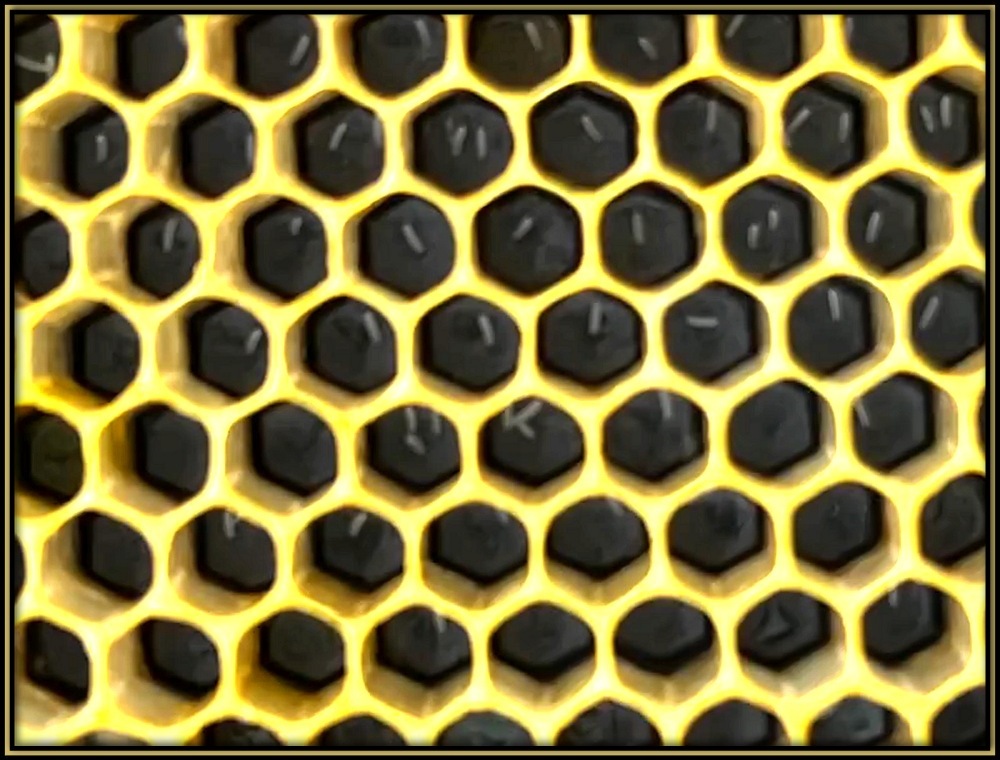
Multiple Eggs in a Cell?
During an inspection you may occasionally see more than one egg in a cell, or eggs stuck to the side walls instead of centered neatly on the bottom.
This can indicate the presence of **laying workers** — a situation where the colony has lost its queen long enough for some workers to begin laying unfertilized eggs.
The brood pattern that follows usually becomes irregular and produces mostly drones.
Learn how to recognize laying workers and what it means for the colony.
