

Varroa Behavior

How the Mite Lives, Hides, and Multiplies
Varroa destructor survives by hiding in plain sight.
It rides adult bees, slips into brood cells just before they are capped, and reproduces inside the developing bee. Because most of its life cycle happens where we cannot easily see it, mite populations can grow quietly for weeks before visible damage appears.
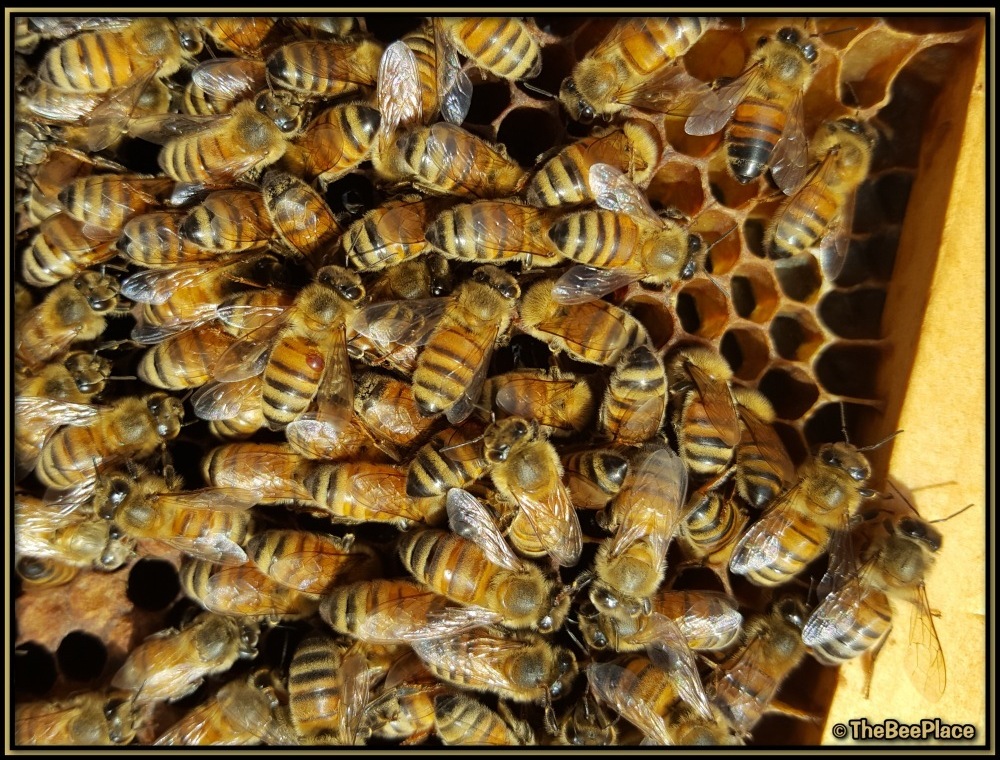
Phoretic Phase — Riding Adult Bees
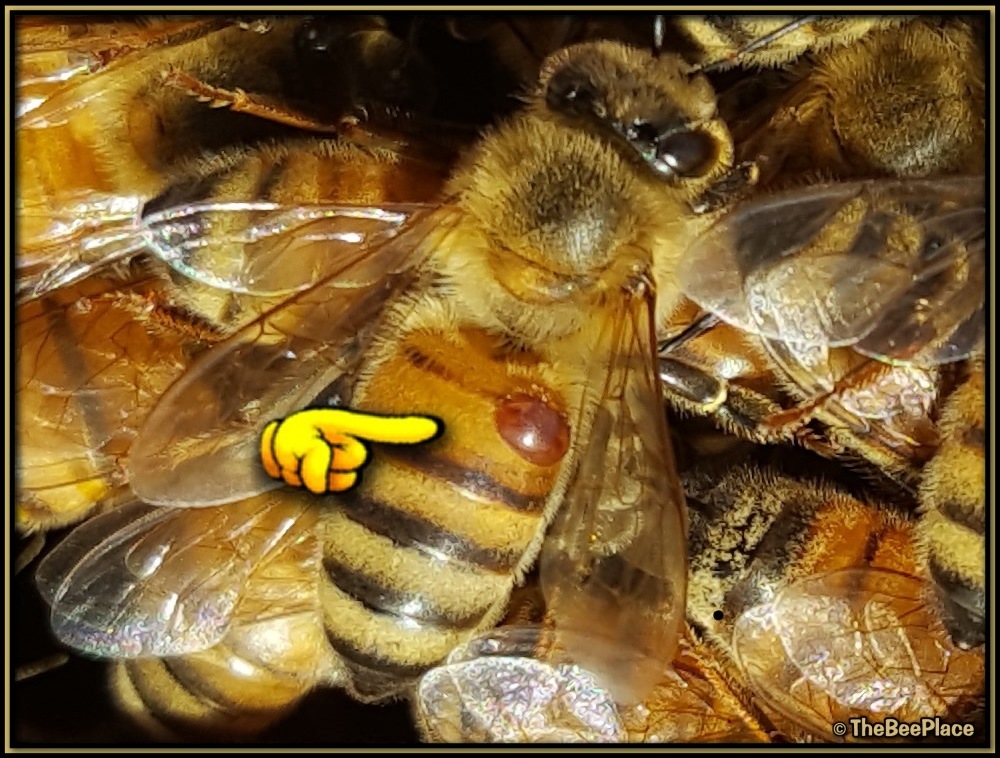
During part of its life cycle, the mite attaches to adult bees and feeds on their fat body tissue.
Although mites are sometimes seen on the backs of bees, they usually stay hidden underneath the abdomen between the segments, where they are difficult to detect.
In this phase they use bees as transportation, moving through the hive or even drifting into neighboring colonies.

Reproductive Phase — Inside Capped Brood
The real population growth happens under the wax cap of developing brood.
A female mite enters a cell just before it is sealed. Once capped, she begins laying eggs. The first is typically male, followed by several females.
When the young bee emerges, mature daughter mites leave with it — ready to repeat the cycle.
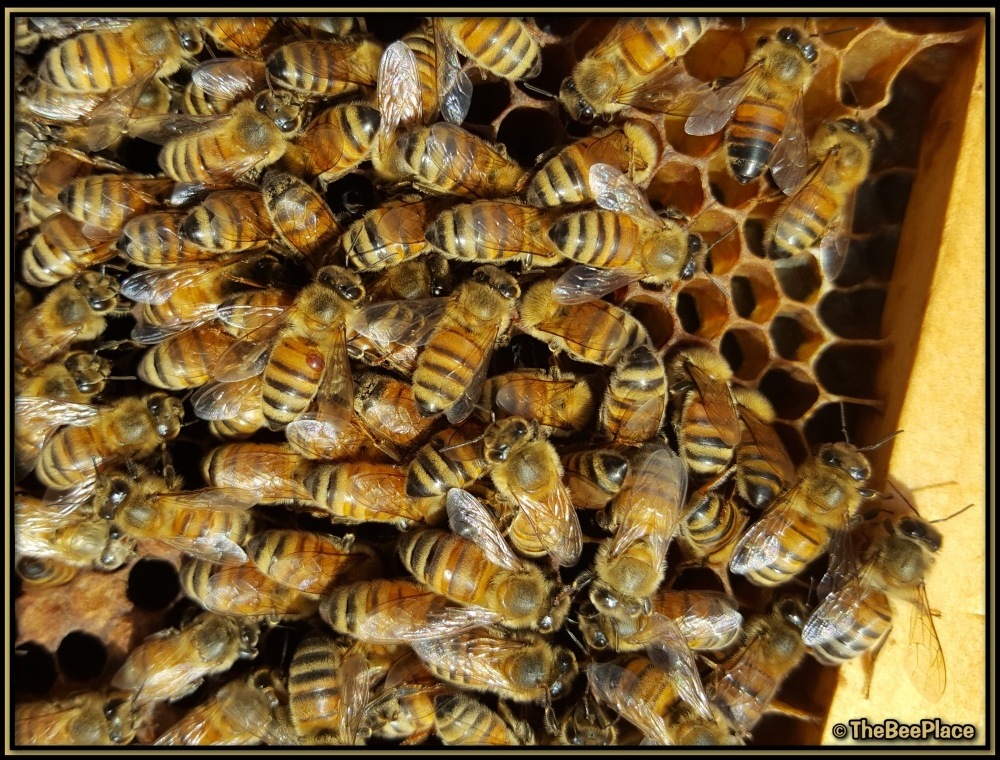
Why Drones Are Targeted
Varroa prefer drone brood over worker brood.
Drone cells remain capped about three days longer, giving mites more time to reproduce before the bee emerges. That extra time can significantly increase mite population growth during peak brood season.
This is one reason drone brood often shows higher infestation rates during inspections.
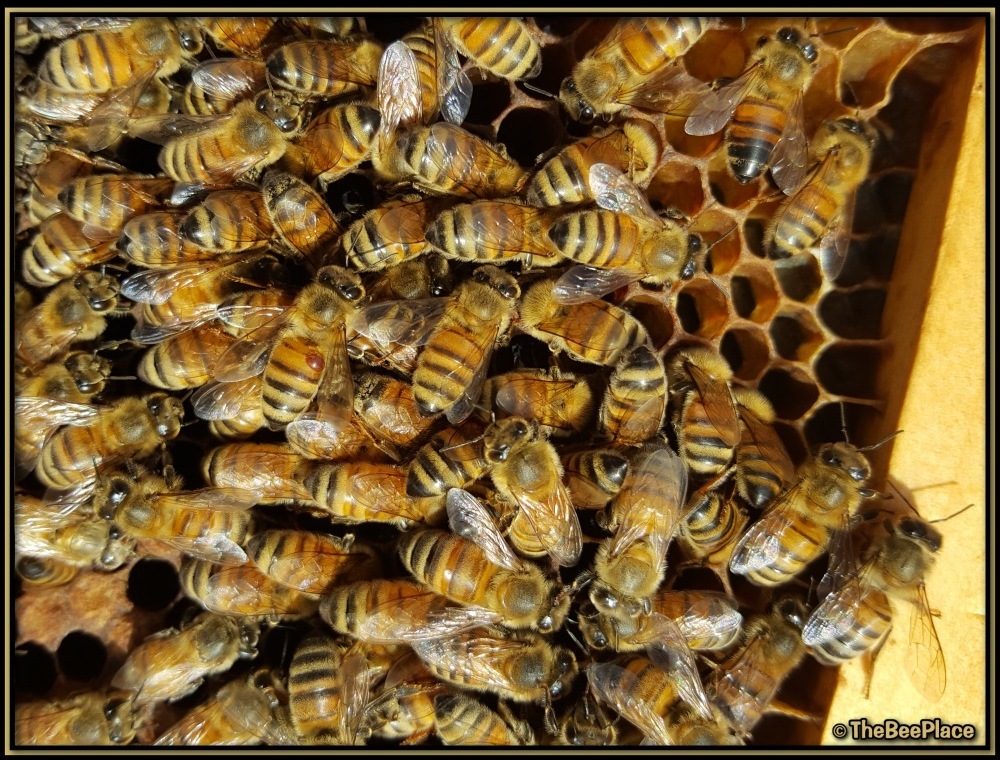
Mite Immigration
Mite levels are not controlled only by what happens inside one hive.
Bees drifting from other colonies, robbing weakened hives, or surviving bees escaping collapsing colonies can bring in new mites.
Even well-managed colonies can experience sudden increases in mite numbers due to outside pressure.
The Virus Connection
Varroa damage is not limited to feeding.
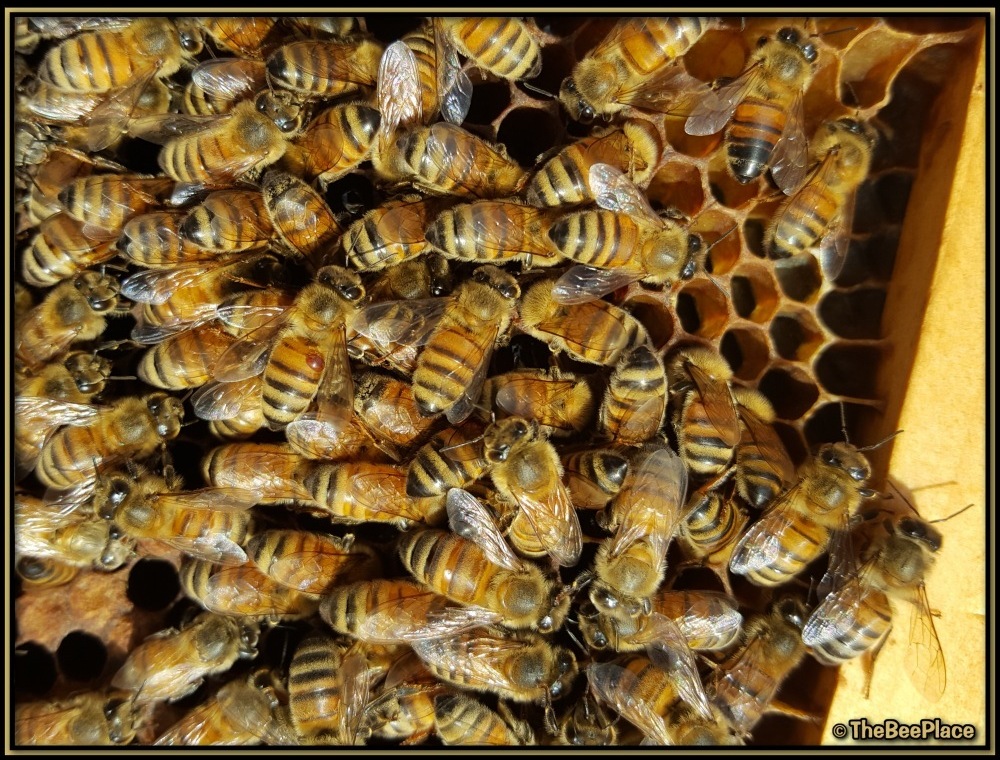
Mites transmit several harmful viruses, including Deformed Wing Virus (DWV). As mite populations increase, viral spread increases as well.
Colonies often fail not just from the mites themselves, but from the amplified viral load within the hive.
Why This Matters
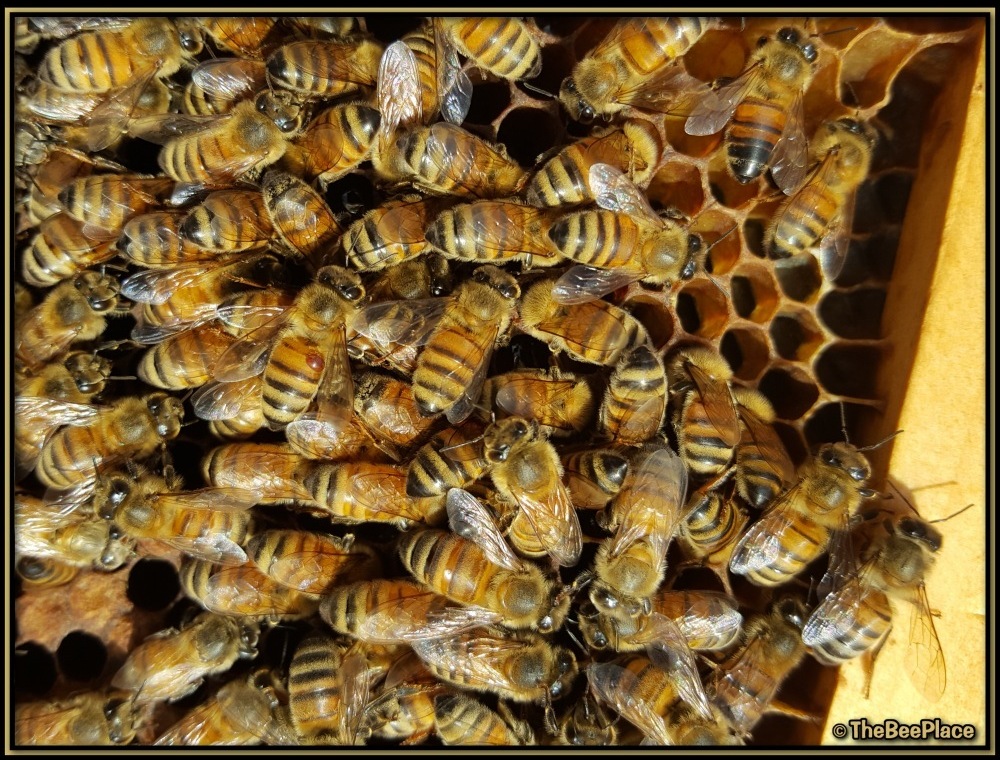
Because mites reproduce inside capped brood and hide beneath adult bees, visual inspection is unreliable.
By the time mites are easily visible, the infestation is often already advanced.
Consistent monitoring is the foundation of responsible mite management.
