

Treating For Mites

Intervene With Knowledge — Not Guesswork
Treatment decisions should be based on measured mite levels, seasonal conditions, and colony status — not assumptions.
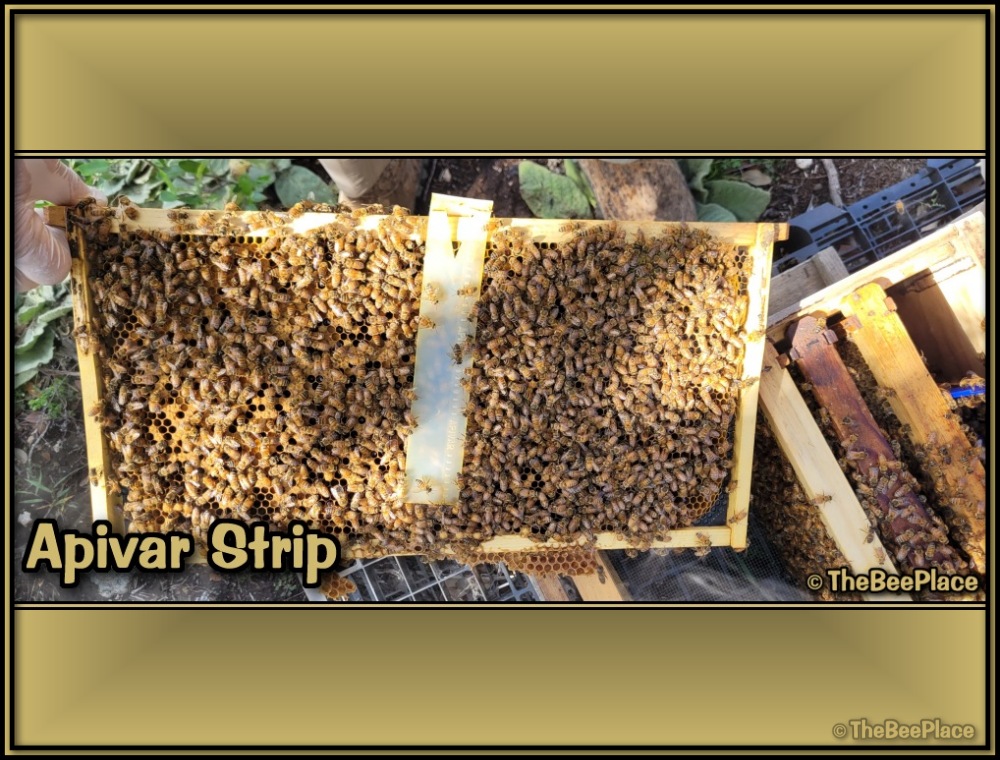
Treat Based on Numbers
Before selecting a treatment, know your mite level.
Low infestations may require a maintenance approach. Higher infestations may require a more aggressive response.
Testing first helps prevent both over-treatment and under-treatment.

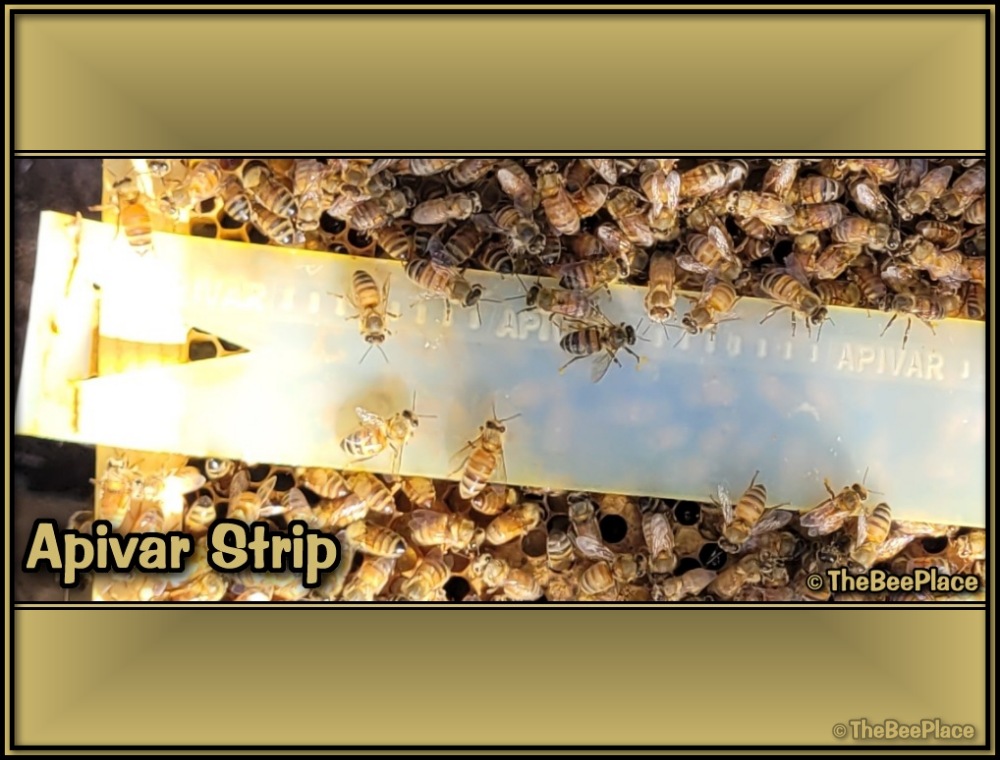
Two General Treatment Approaches
Most mite treatments fall into one of two general categories:
- Flash Treatments — Short-duration, more aggressive knockdown methods used when mite levels are high.
- Extended-Release Treatments — Slower, longer-duration approaches designed to maintain low mite levels.
The appropriate choice depends on current infestation level and time of year.

Organic and Naturally Derived Options
Several commonly used treatments are based on organic acids or plant-derived compounds.
These include:
- Formic acid-based products
- Oxalic acid applications
- Thymol-based treatments
- Hop beta acid products
Each option has specific application guidelines related to temperature, brood presence, and honey supers. Always follow the product label instructions carefully.

Synthetic Miticides
Synthetic treatments have historically been effective when used correctly.
However, repeated use of the same active ingredient can lead to mite resistance over time.
Rotating modes of action helps reduce the risk of resistance development within mite populations.
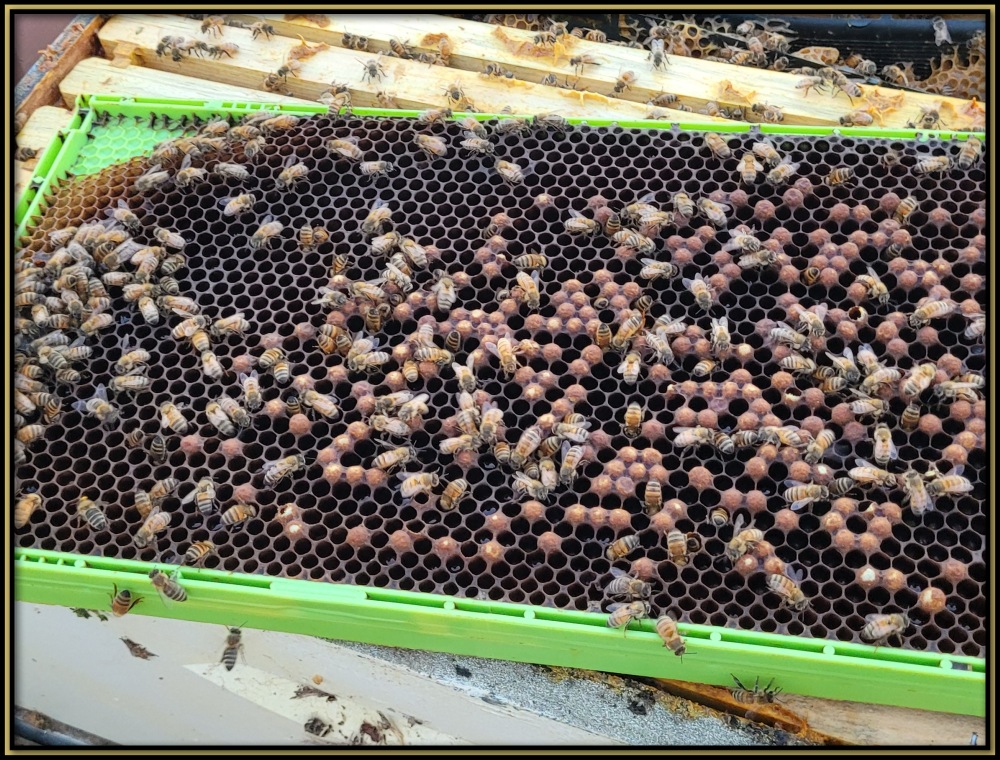
Why Brood Levels Affect Treatment Success
Most treatments do not penetrate capped brood cells.
Since mites reproduce beneath those caps, treatments may need to account for brood cycles or be timed strategically.
Understanding whether a colony has heavy, moderate, or minimal capped brood is important when selecting a treatment approach.

Temperature and Application Considerations
Some treatments are temperature-sensitive and may impact queens or brood if used outside recommended conditions.
Personal protective equipment (PPE) may also be required depending on the product.
Always read and follow manufacturer instructions and local regulations before applying any miticide.

Organic and Naturally Derived Options
Several commonly used treatments are based on organic acids or plant-derived compounds.
These include:
- Formic acid-based products
- Oxalic acid applications
- Thymol-based treatments
- Hop beta acid products
Each option has specific application guidelines related to temperature, brood presence, and honey supers. Always follow the product label instructions carefully.

There Is No One-Size-Fits-All Solution
The “best” treatment for one colony may not be best for another.
Mite levels, season, climate, colony strength, and beekeeper goals all influence treatment decisions.
The objective is to keep mite levels below damaging thresholds while supporting overall colony health.

Long-Term Goal
While treatments are often necessary today, many beekeepers are working toward developing bees that better tolerate or suppress mite populations naturally.
Selective breeding for resistance traits offers a promising long-term direction.
