

Breeding For Resistance

Working Toward a More Sustainable Future
Long-term mite control will not come from chemicals alone.
Selective breeding for resilient bees is part of the solution.

Why Resistance Matters
Chemical treatments can reduce mite levels, but they do not eliminate the underlying challenge.
Over time, repeated chemical use can contribute to resistance in mite populations and unwanted residues in wax.
Developing bees that better tolerate or suppress mites naturally offers a more sustainable long-term path.

What Resistance Does — and Does Not — Mean
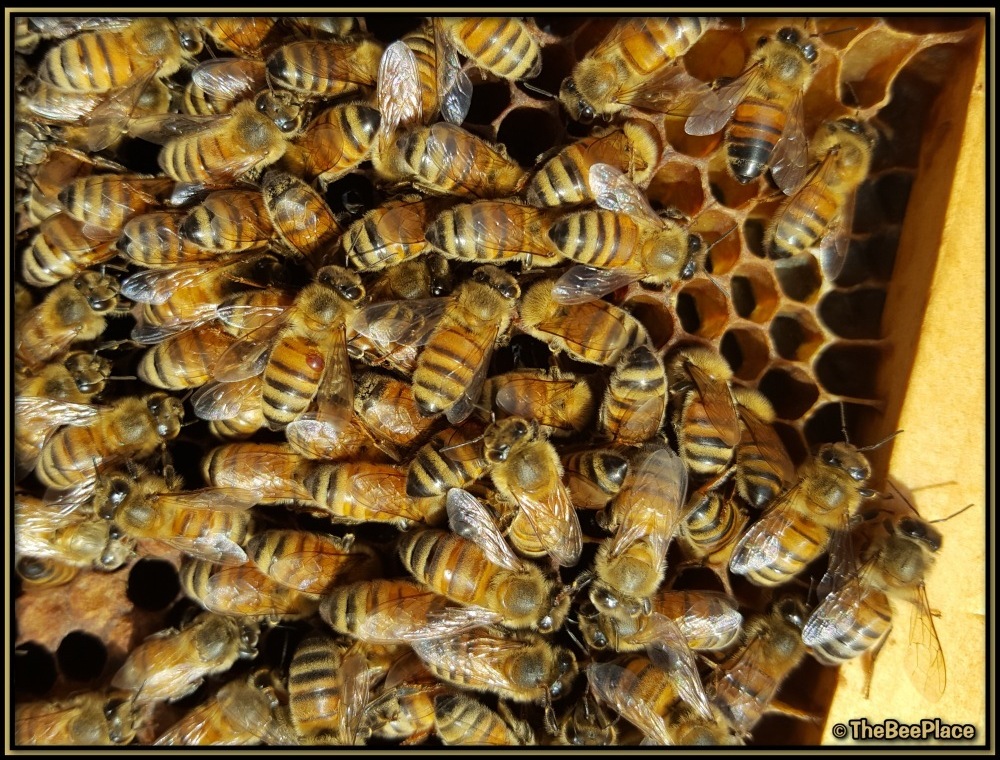
Resistance does not mean mites disappear.
It means colonies demonstrate traits that help reduce mite reproduction or limit viral impact.
These traits may include:
- Increased hygienic behavior
- Suppression of mite reproduction (SMR)
- Varroa Sensitive Hygiene (VSH)
- Improved overall colony vigor
Even resistant lines must still be monitored.
Local Survivor Stock
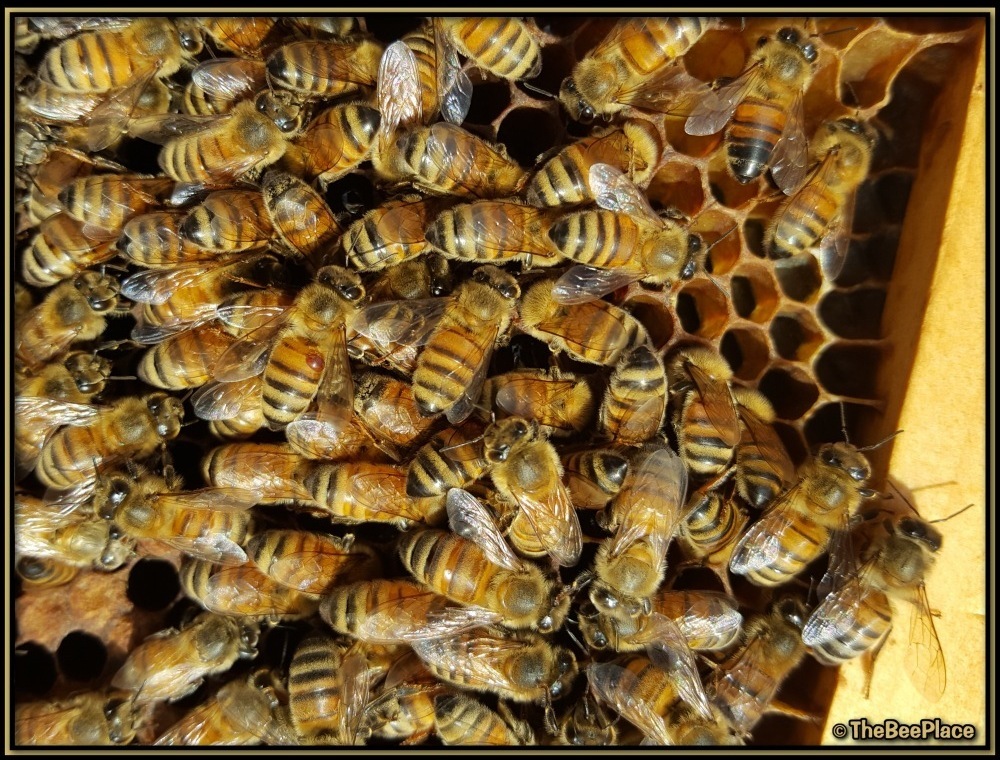
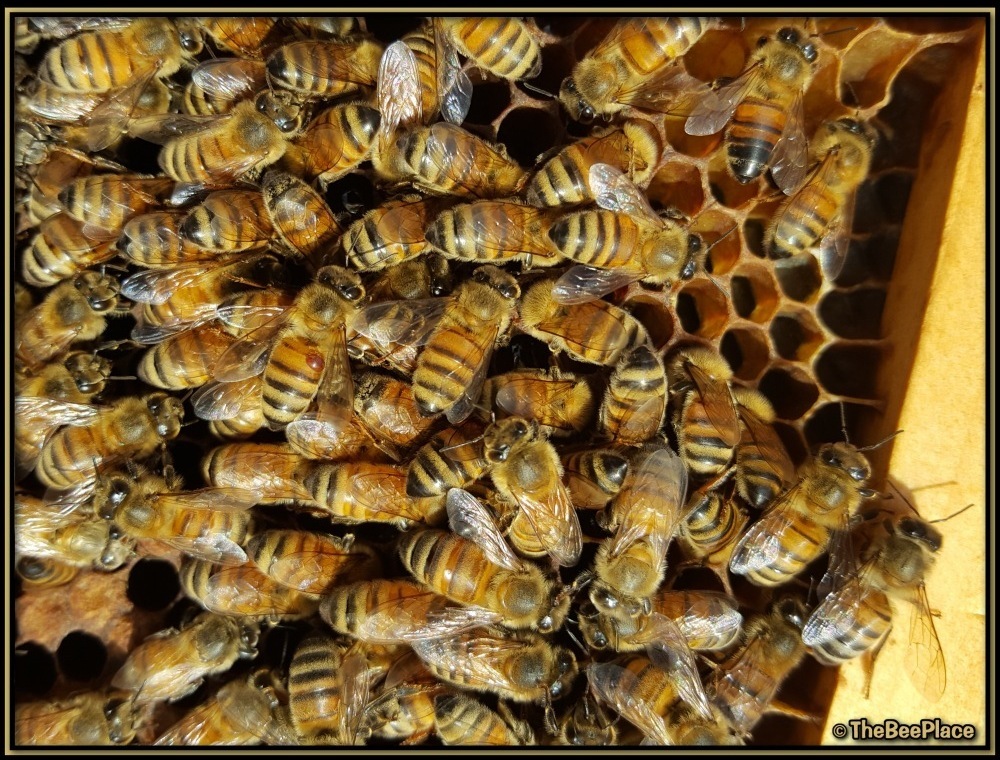
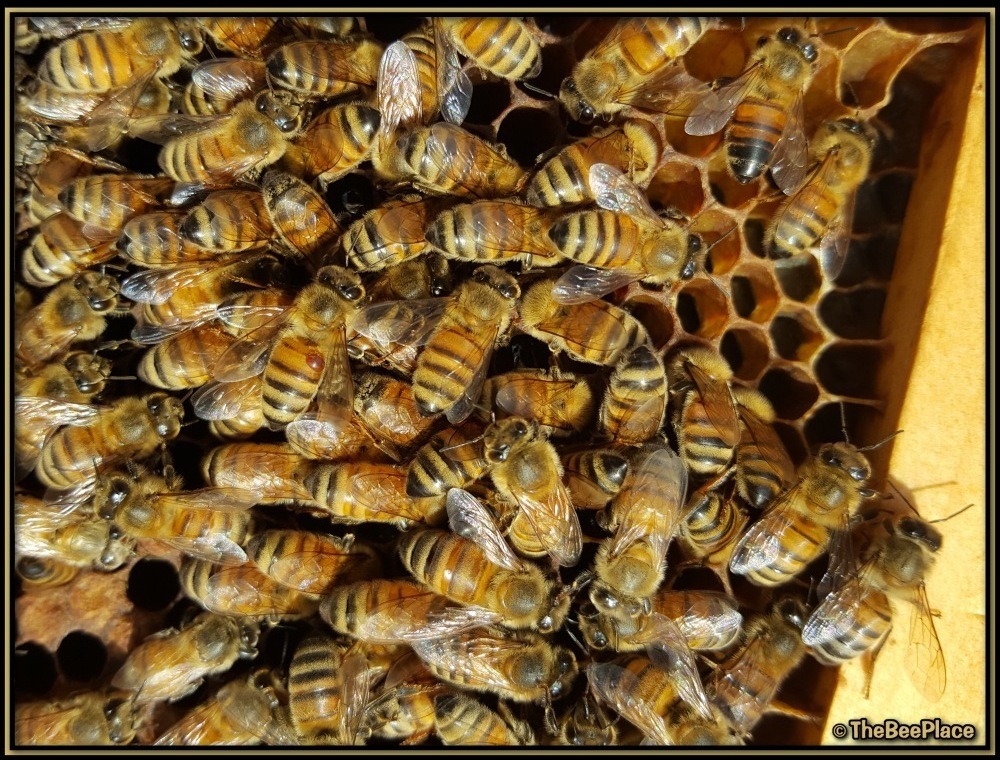
In South Texas, unmanaged colonies that survive multiple seasons under heavy mite pressure are of particular interest.
Stock that demonstrates survival, productivity, and manageable temperament under local conditions forms the foundation for selective breeding.
Adaptation to local climate and forage is as important as mite tolerance.
Careful Selection and Testing
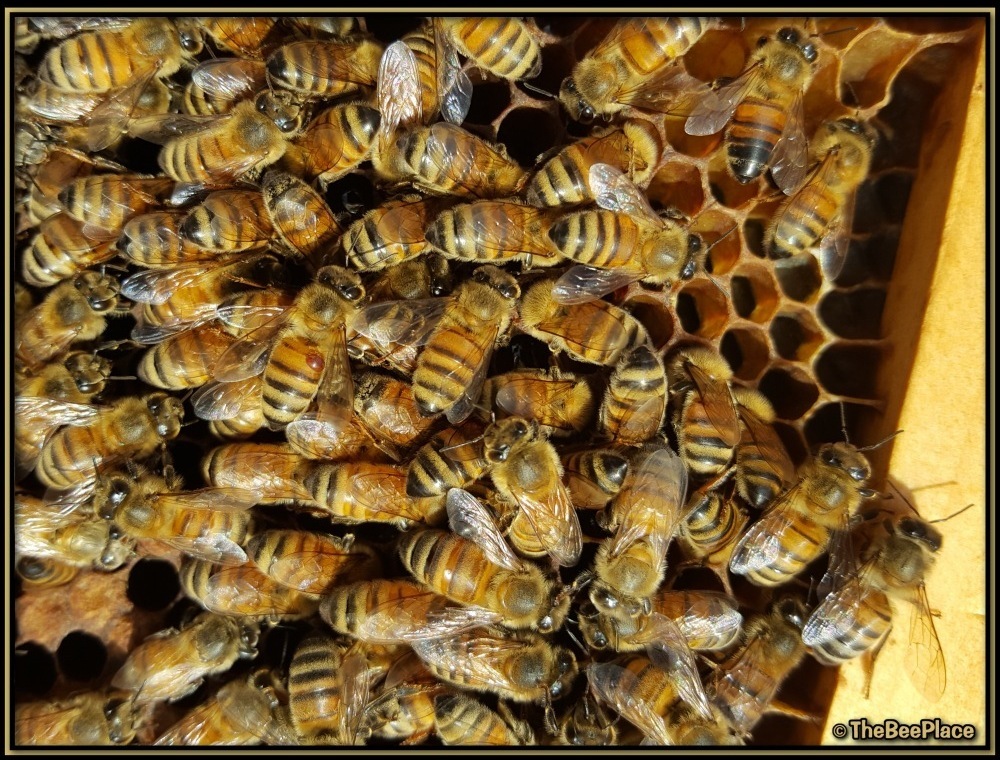
Breeding decisions are based on performance — not assumption.
Colonies are monitored for:
- Mite levels
- Winter survival
- Honey production
- Temperament
- Brood health
Queens are grafted from colonies that consistently demonstrate desirable traits under real-world conditions.
Blending Strong Genetics
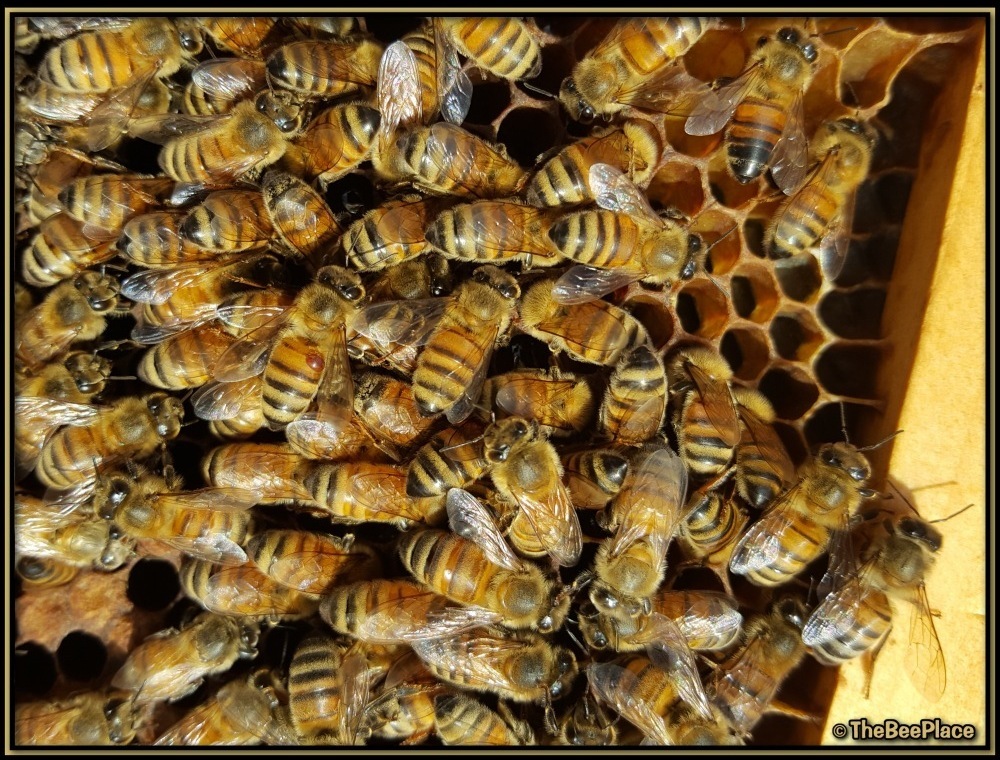
Introducing high-quality outside genetics while selecting from proven local survivor stock helps strengthen the overall breeding program.
The goal is to maintain gentle, productive colonies while steadily improving mite tolerance over time.
Is Treatment-Free the Goal?
Many beekeepers aspire to reduce or eliminate treatments.
However, true treatment-free management requires careful selection, long-term testing, and realistic expectations.
Until consistently reliable resistance is achieved, monitoring and responsible intervention remain essential.
Progress Takes Time
Breeding for resistance is not a one-season solution.
It requires patience, data collection, and steady refinement across multiple generations.
The objective is steady improvement — not quick claims.
