

Varroa Behavior

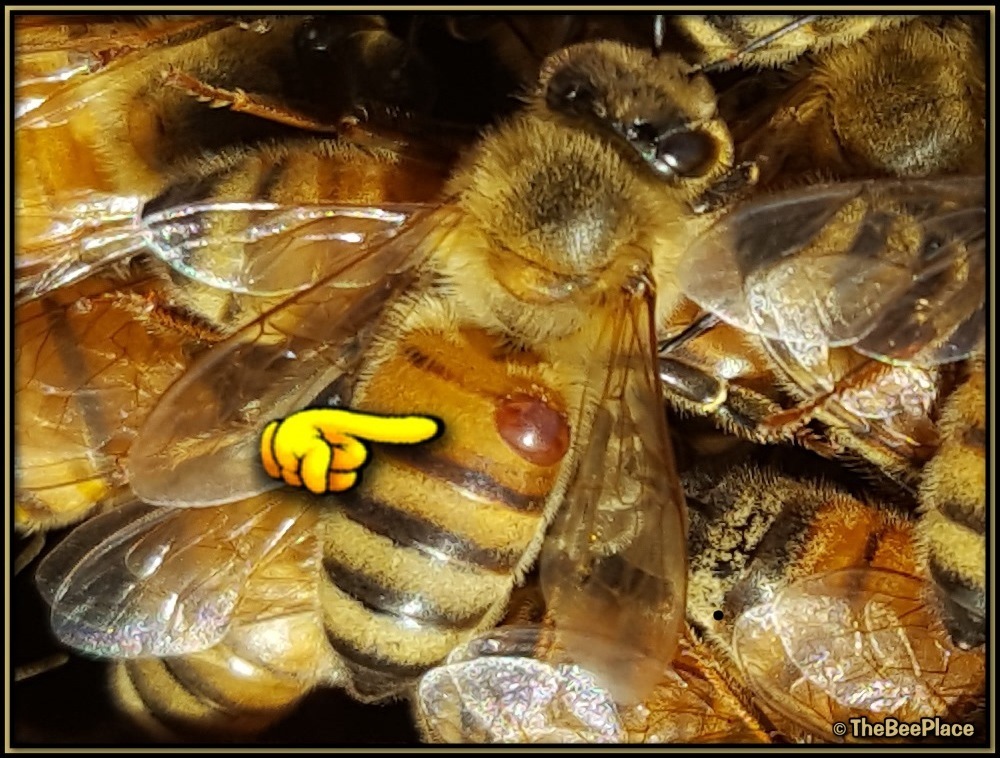
Varroa Destructor
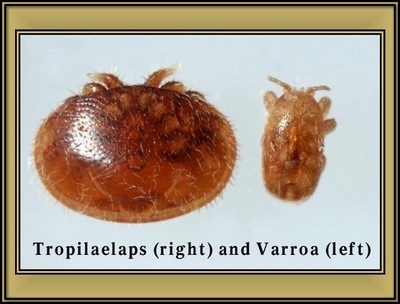
Varroa destructor is widely considered the most serious threat facing modern honey bees.
These tiny parasitic mites reproduce inside capped brood cells, feed on developing bees, and spread multiple debilitating viruses throughout the colony. Left unmanaged, mite populations can grow rapidly and lead to colony collapse.
Varroa is not a “maybe” problem. It is a management issue that every beekeeper must understand.
(more below and in the linked pages)

Varroa mites weaken bees in two primary ways:
A colony may appear strong on the outside while mite levels are quietly rising inside.
By the time mites are visibly seen crawling on bees, the infestation is often severe.
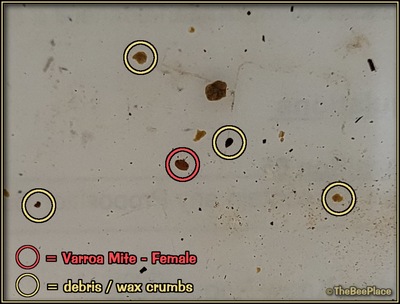
Visual inspection alone is unreliable. Mites spend very little time on the backs of bees and are rarely seen unless numbers are already high.
Responsible management starts with monitoring.
Testing provides the data needed to make responsible treatment decisions.
Managing Varroa effectively requires understanding:
Use the pages below to explore each topic in more detail:


