

About The Queen

Maintaining Strong Colonies Requires Strong Queens
She is not a ruler — she is the mother and chemical heartbeat of the hive.
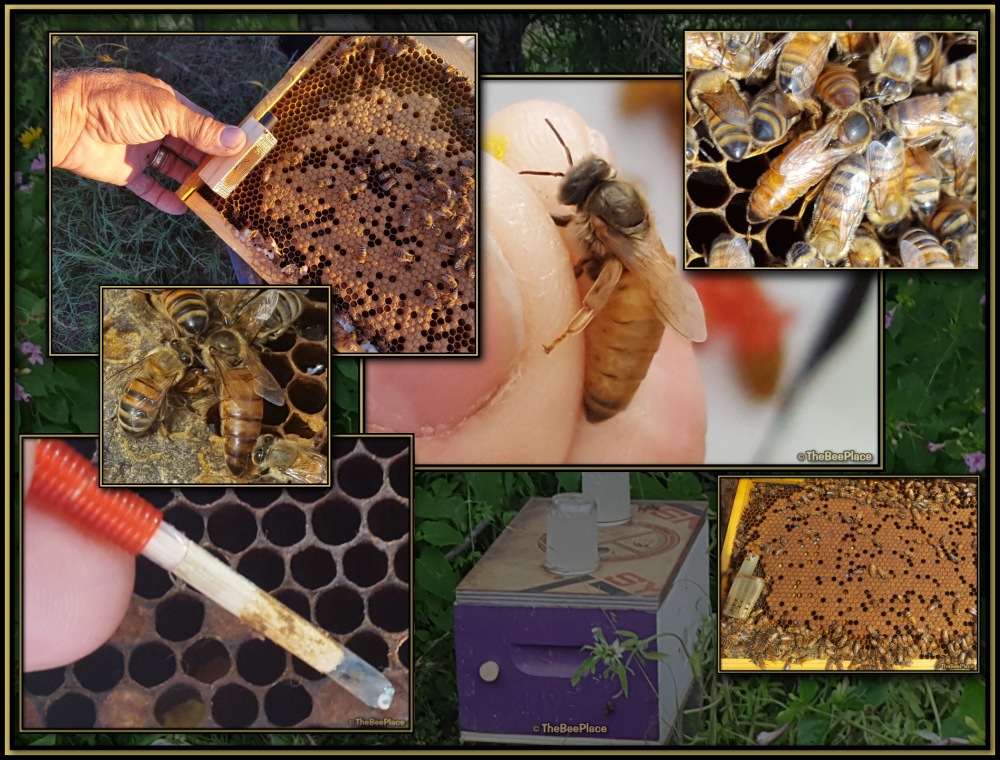
A queen’s value goes far beyond laying eggs.
Yes, she may lay 1,500–2,000 eggs per day during peak season. But her true influence comes from the pheromones she produces — subtle chemical signals that keep the colony organized, unified, and stable.
She does not “rule” the hive in a human sense. She regulates it.

The Quiet Leadership
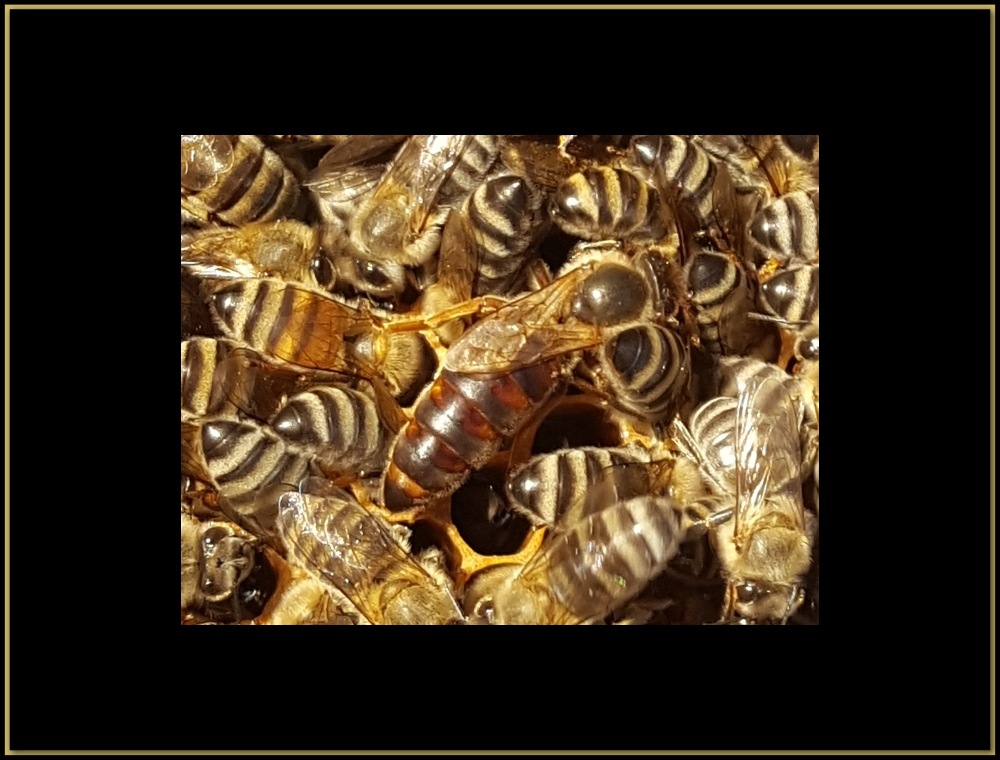
Queen mandibular pheromone (QMP) — sometimes called “queen substance” — is a complex blend of chemicals produced primarily from the queen’s mandibular glands.
These pheromones:
- Signal that a healthy queen is present
- Help suppress ovary development in workers
- Reduce unnecessary queen cell production
- Influence worker behavior and colony cohesion
When pheromone levels are strong and evenly distributed, the colony tends to remain calmer, better organized, and more focused.
The Queen’s Court
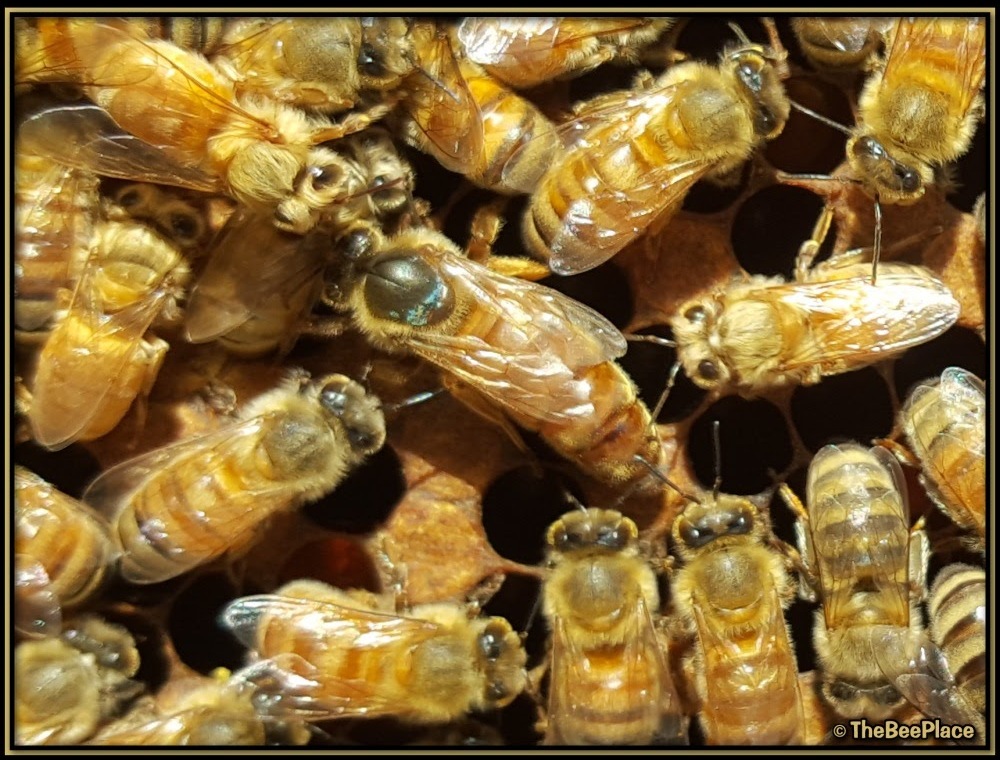
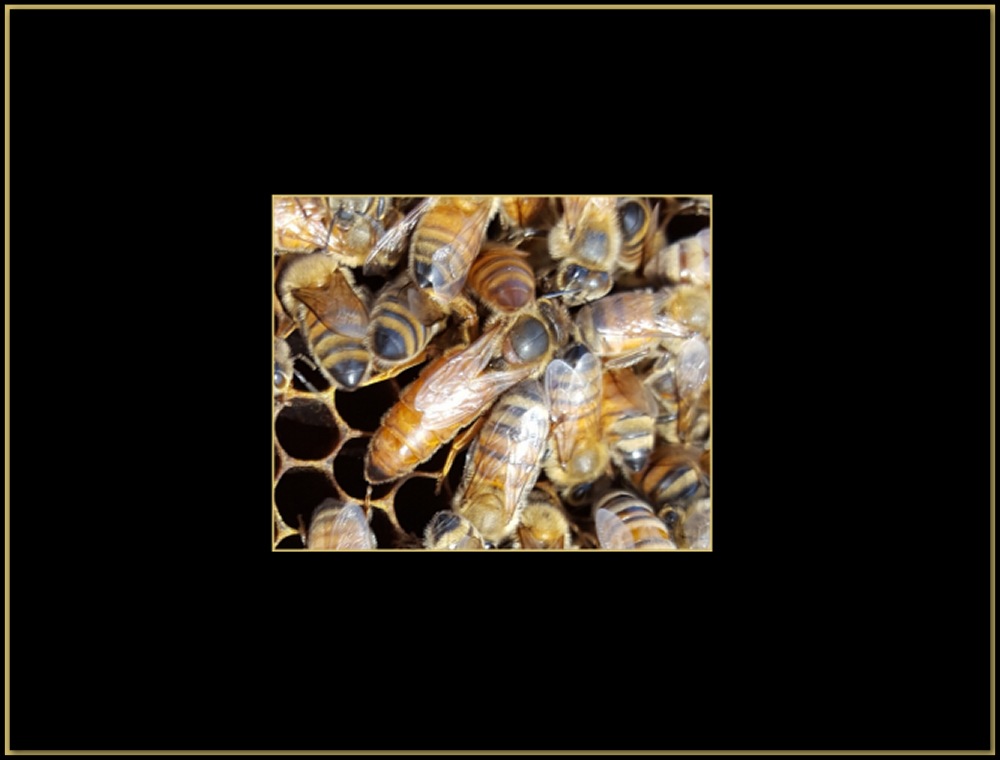
Every queen is surrounded by a small group of young worker bees known as her attendants, retinue, or court bees.
These workers:
- Groom her and distribute her pheromones
- Feed her royal jelly and honey mouth-to-mouth
- Bring water as needed
- Protect her during disturbances
- Relay her chemical signals throughout the colony
They are not just caretakers — they are her communication system.
If the queen weakens, the retinue often senses it first. Reduced feeding or altered behavior around her can signal that replacement may be necessary.
Why Young Queens Matter
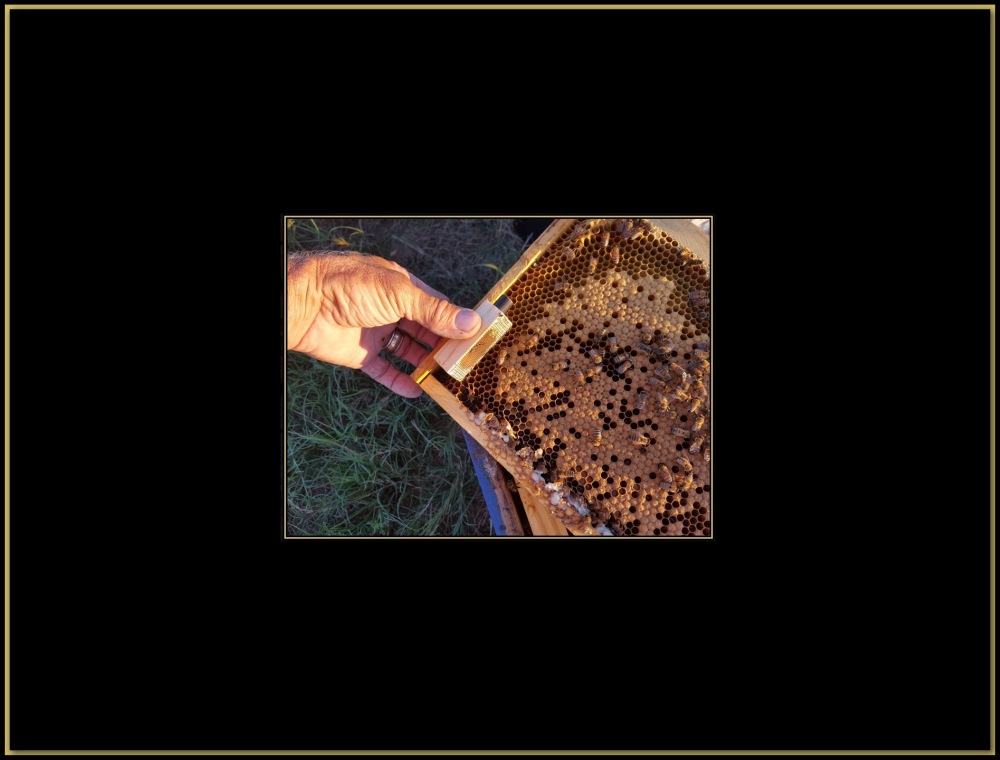
As queens age, pheromone strength and egg-laying consistency can decline.
This may lead to:
- Spotty brood patterns
- Increased queen cell production
- Temperament changes
- Reduced colony performance
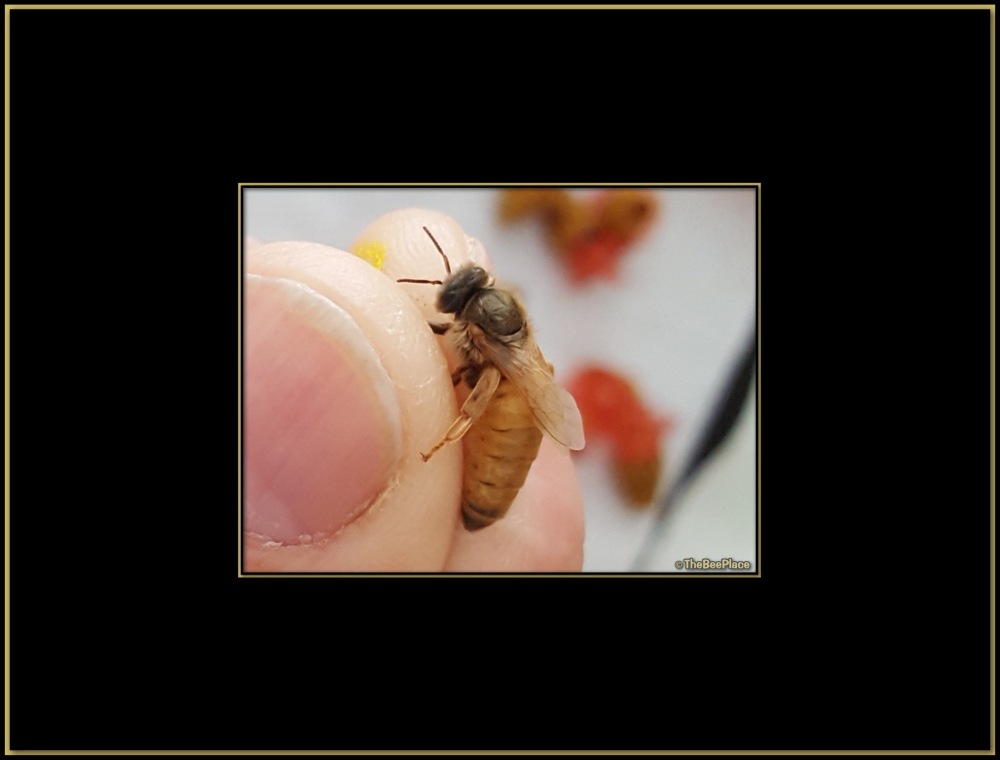
Many beekeepers hesitate to replace a queen because it feels unnatural or harsh. In reality, introducing a strong, young queen is often one of the best management decisions for long-term colony health.
Nature Is Not Sentimental
In the wild, queens are replaced regularly through swarming, supersedure, or failure.
Colonies do not cling to aging queens for emotional reasons. They respond to biological signals.
Understanding this natural cycle helps remove hesitation from responsible beekeeping management.
The First Moments
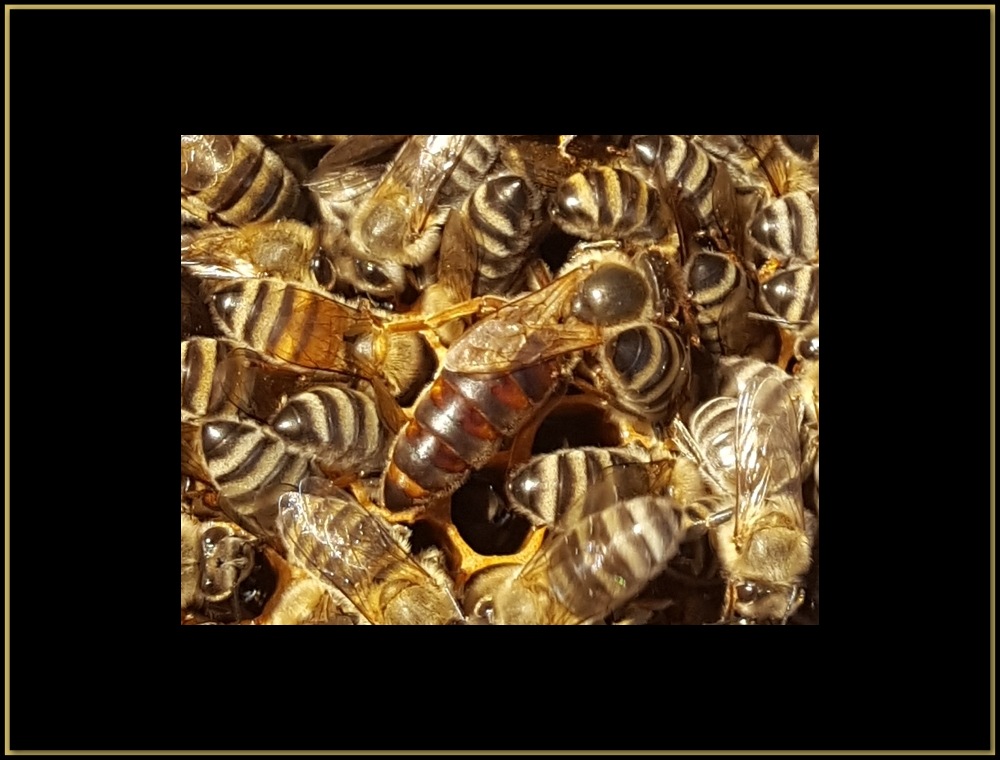
When a virgin queen emerges, her first priority is eliminating rivals.
If other queens have already emerged, they will seek each other out and fight. If rivals remain inside capped cells, she may sting through the wax and destroy them before they hatch.
Only one queen ultimately inherits the colony.
The Next Steps
From this point forward, a queen’s life depends on successful mating flights and continued colony support.
In the sections below, we’ll look deeper at:
- Mating Flights
- Mating Nucs (temporary housing)
- Queen Rearing (from grafting to cell builders)
Each plays a role in maintaining strong, productive colonies.
