

Bee Biology

What exactly is a honey bee colony?
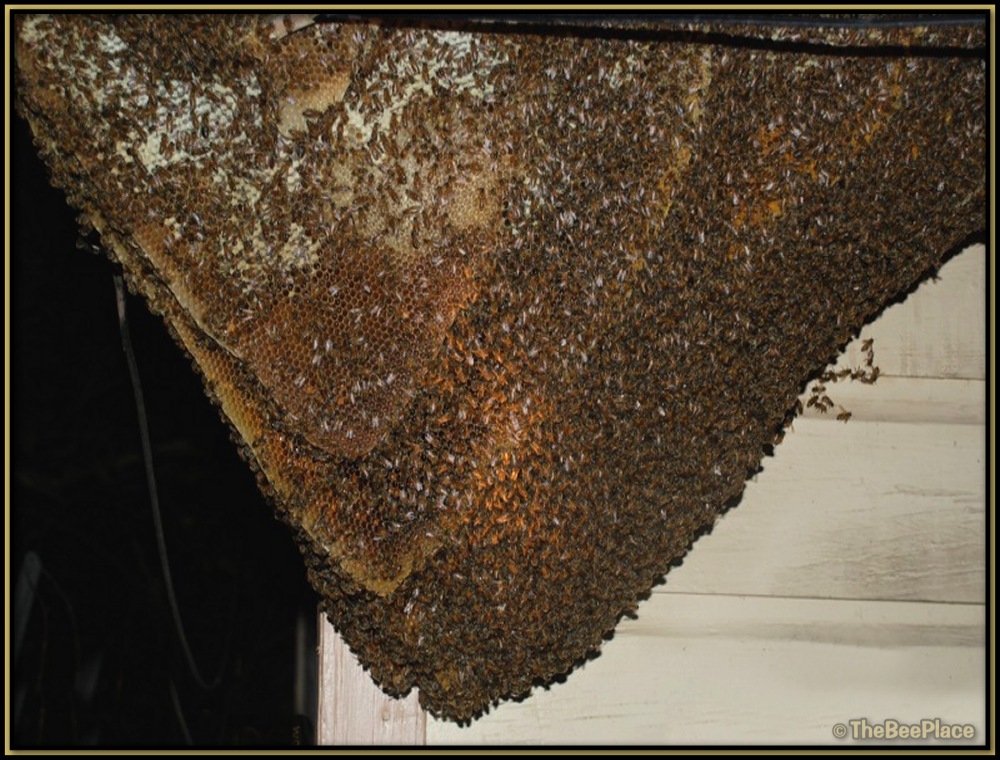
Or maybe the better question is:
What all does a colony have going on that makes it so unique and so efficient as a “Superorganism”?
A honey bee colony is not simply a group of individual insects — it functions as a single living system, with each bee acting as a specialized part of a much larger whole.
From specialized body parts to a highly organized social structure, the colony operates as more than just a collection of bees.
How does a tiny egg become a worker, a drone, or a queen? What allows bees to perform the complex tasks that keep a colony alive despite the challenges they face in today’s world?
In this section, we’ll take a closer look at how honey bees are built, how they develop, and how the pieces fit together inside a working hive.

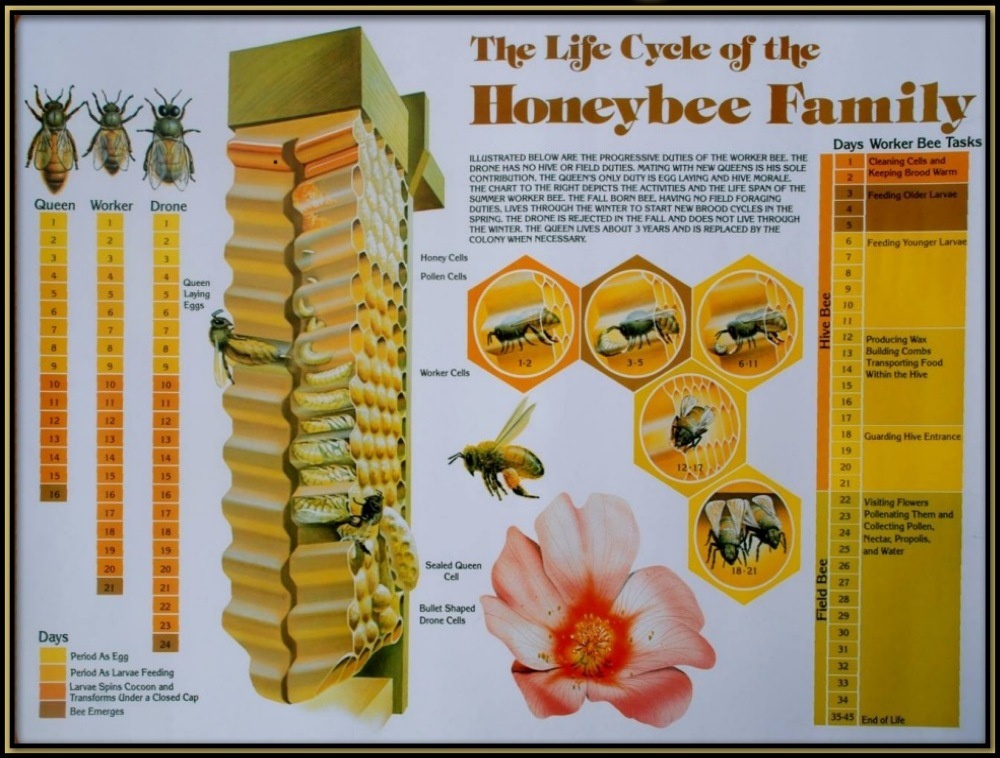
Life Cycle of the Honey Bee Family
Development Timing
- Queen bees develop fastest, emerging in 15–16 days
- Workers emerge in 20–21 days
- Drones emerge in about 24 days
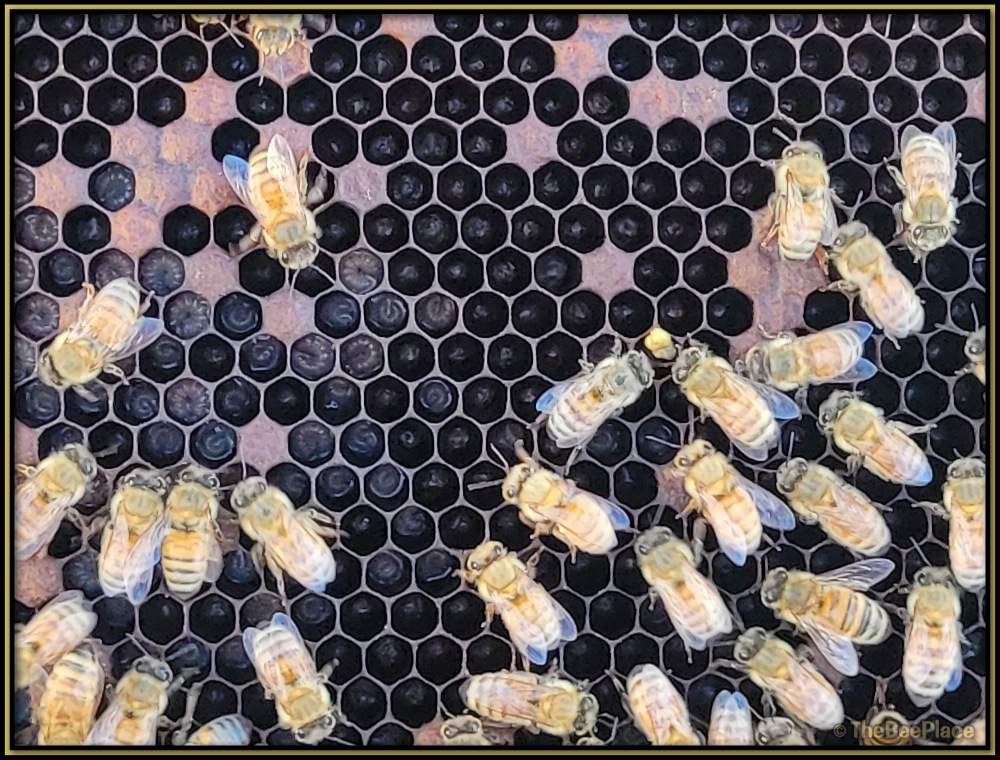
Once they emerge, (see video below) they are fully developed and extra fuzzy with soft wings and stingers. Unable to fly or sting for a brief period. The workers are a bit wobbly and like most youngsters, ready to eat.
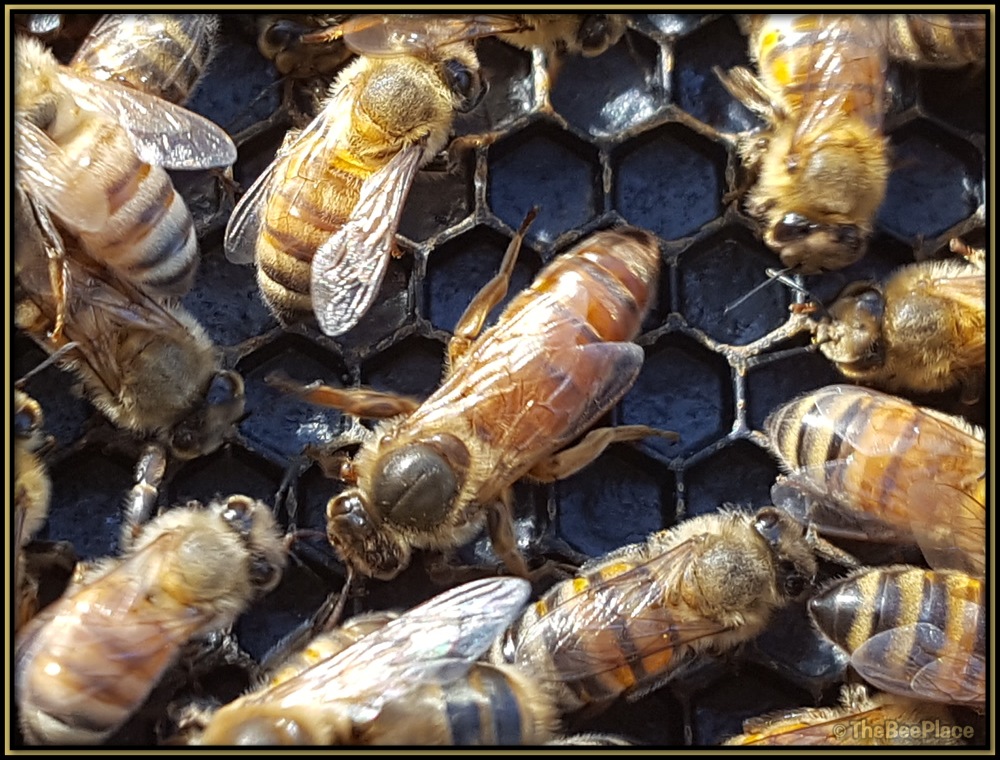
Freshly emerged queens, on the other hand, are ready to “dance” a bit faster and start a search for any other queens that may have also hatched around the same time. Instinctively, they go on the hunt and if they pick up the scent or sounds of other queens they sound their own call to battle cry - called pipping… a high-pitched beeping, like a tiny trumpet. She pipes to announce she's ready to dance! She'll pipe every few minutes for hours, sometimes days, while she waits for other queens to arrive. During this period her hormones development and she is soon ready to mate.
She's on a kill-or-be-killed mission right out of the cell. Learn more about this process in the About the Queen section.
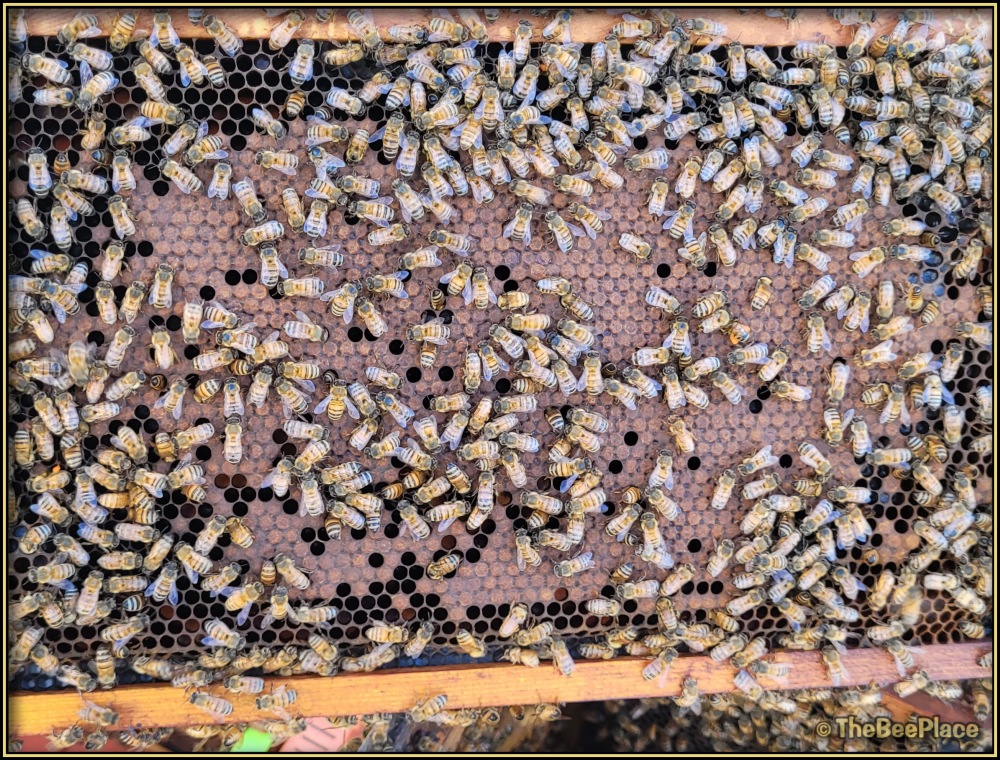
Unlike the queen, worker bees emerge with a different mission.
After roughly two weeks of pupation inside the casing within their capped cell, similar to the cocoon of a butterfly, they transform from a small larvae into a fully developed worker bee. Once they are full grown, instincts kick in and they chew their way out through the soft porous cap and emerge, ready to begin life as laborers of the colony.
Much like a butterfly emerging from its cocoon, a newly hatched worker must pump fluid into her wings, allowing them to expand, stiffen, and dry before she can fly. During these first moments, she grooms herself, steadies her footing, and begins orienting to the hive environment.
A small taste of honey helps fuel those internal engines, and within a short time she is ready to begin her first duties inside the hive.
For more images and video, visit the Gallery
