

Bee Behavior

Honey Bee Behavior
Honey bees spend most of their time gathering food, mainly nectar and pollen, and water to keep hydrated and regulate the hive temperature, and of course raising young and maintaining their colony. Defensive behavior is only one part of their overall behavior — and it is almost always triggered by something specific as a defensive response.
Understanding what is normal and what is defensive helps replace fear with respect and awareness.
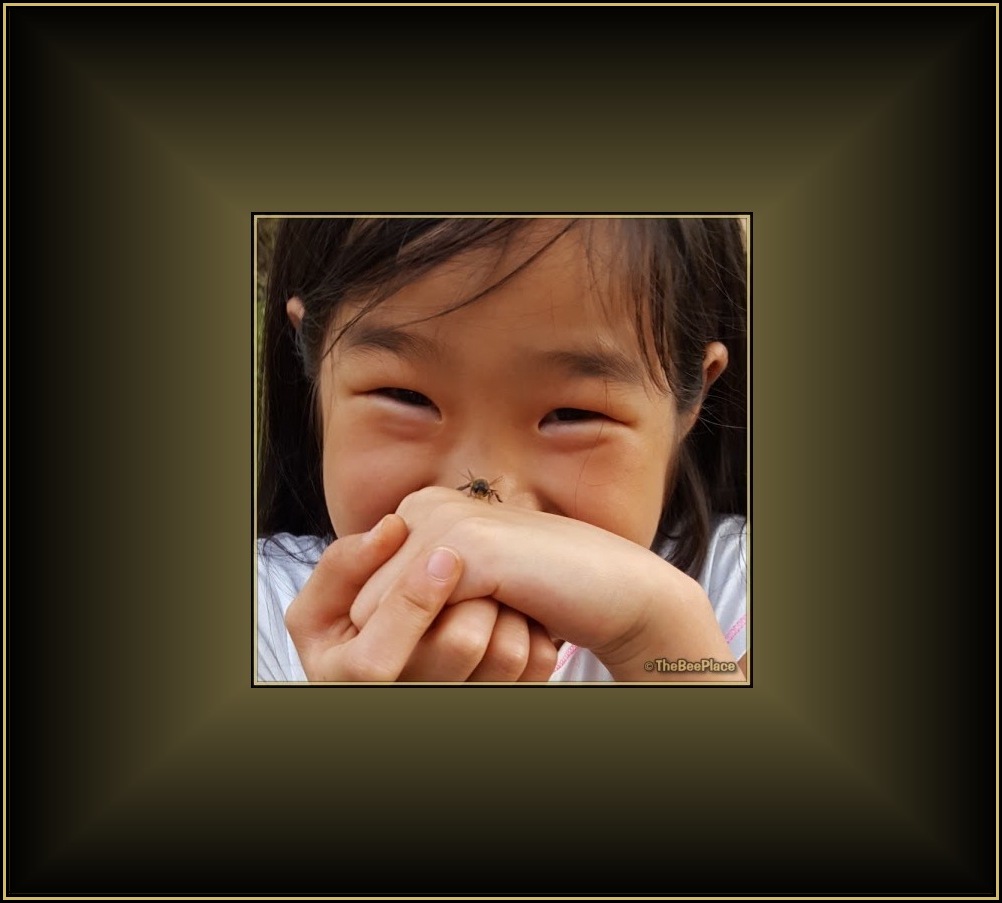
We’ll take a closer look at what elicits a bee’s defensive behavior and sting response to help you understand what to avoid — whether encountering a random bee in the yard or inspecting your own hives.
- Have you ever been stung by a honey bee — or was it a wasp? How can you tell the difference?
- Did you know that a honey bee will die if she uses her stinger on a person or another mammal?
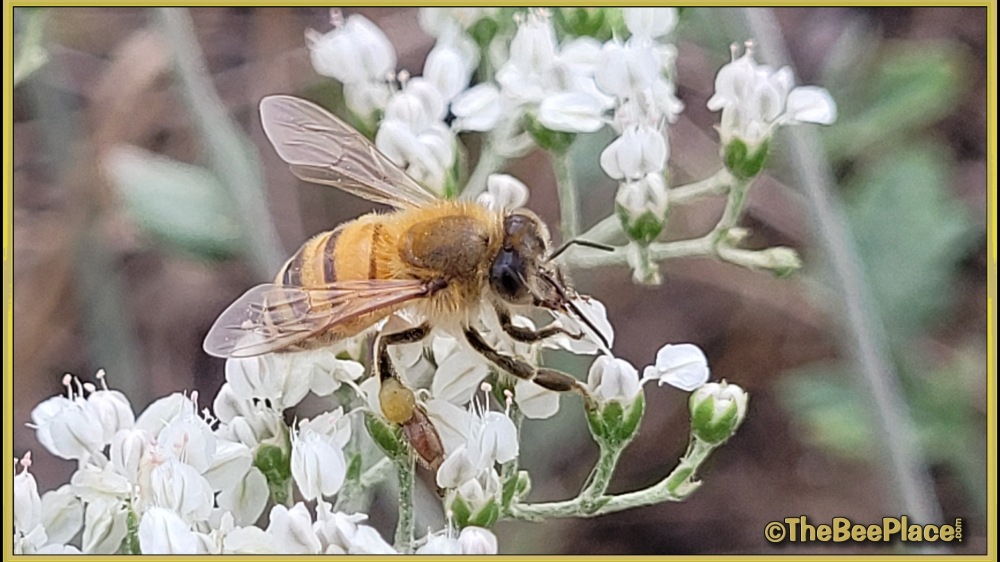
- Did you know that the male bees (called drones — see photo) do not have a stinger?

Bee Aware, Not Afraid
Bees are not naturally aggressive. They are protective.
Much like people, when we are out shopping and notice a disturbance across the store, we may look but continue on with our task. However, if someone shows up at our front door unannounced at 4:00 a.m., they should not be surprised if we respond differently.
Honey bees operate the same way. Away from the hive, a foraging bee is usually focused on her work. Near the colony — especially disturbing or exposing the brood nest area — defensive instincts become stronger.
Common Triggers
A foraging bee away from her hive is unlikely to sting unless she feels trapped or is swatted at. Defensive behavior increases significantly closer to the colony.
- Sudden movements and swatting:
- Fast, jerky motions are one of the most common causes of stings. To a bee, sudden movement resembles a predator attack.
- Vibrations and loud noises:
- Bees are especially sensitive to the vibrations and sound frequencies produced by small gas engines such as lawnmowers, weed eaters, chainsaws, and similar equipment. These vibrations can make a hive feel under attack and trigger a defensive response. (This reaction is far less common with diesel engines, which produce a different vibration pattern.)
- Crushing a bee:
- When a bee is crushed, it releases an alarm pheromone often compared to the smell of bananas. This chemical signal alerts other bees and can escalate defensive behavior.
- Strong scents:
- Some perfumes, colognes, scented soaps, hairsprays, and even certain essential oils can irritate or attract bees and cause them to investigate. Lemongrass is one such scent to avoid in the apiary.
- Dark colors and hair:
- Many natural predators, such as bears, are dark and furry. Bees instinctively target dark, hairy, or leathery areas, especially around the head.
- Proximity to the hive:
- The closer you are to brood and stored honey, the stronger the defensive response may be. Smoke is used during inspections to help mask alarm pheromones to keep the bees calm and busy - but NOT (as many may believe) to calm the bees.
Africanized Bee Territory
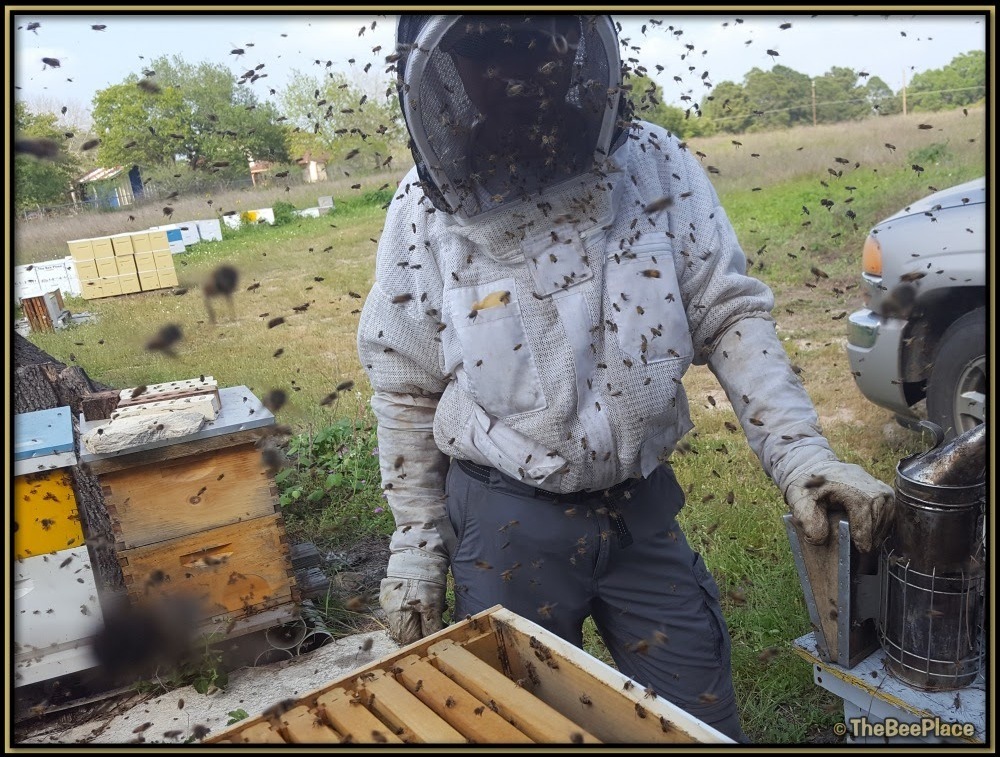
Because we live in Africanized bee territory, awareness is important. Not all colonies respond the same way.
A typical Italian colony may send out one or two guard bees to confront a disturbance. Africanized colonies are known to respond in much greater numbers and escalate more quickly.
Understanding this difference helps prevent unnecessary risk, especially when operating equipment near unknown colonies or when not wearing protective gear.
Keep Calm and Save the Bees
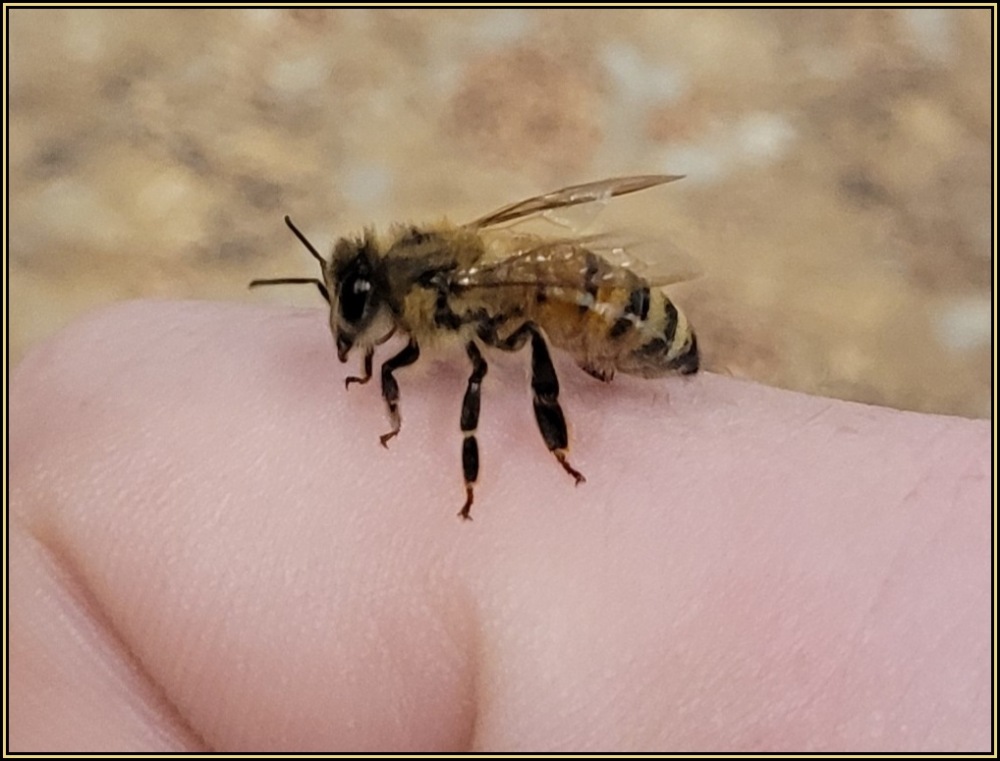
If a bee is near you, your best strategy is to remain calm and still.
A honey bee dies if she stings a mammal. Her barbed stinger becomes lodged in the skin, and as she pulls away, fatal injury occurs. It is not in her best interest to sting unless she is defending her home.
By keeping your cool, you reduce the chance of being stung and prevent the unnecessary loss of a bee’s life.
So, keep calm and save the bees.
How to Coexist Peacefully
- Move away slowly:
- If a bee continues buzzing near you, walk away calmly instead of swatting.
- Wear light-colored clothing:
- Light, smooth fabrics are less likely to resemble natural predators.
- Avoid strong scents:
- Especially outdoors in areas with bees. Lemon grass oil is a known attractant.
- Stay out of the flight path:
- If bees are flying in and out of a location, remain at least 5–6 feet away from that path — similar to staying clear of a runway.
- Be aware of your surroundings:
- When outdoors, especially barefoot, avoid sitting or stepping on foraging bees.
