Bee Biology

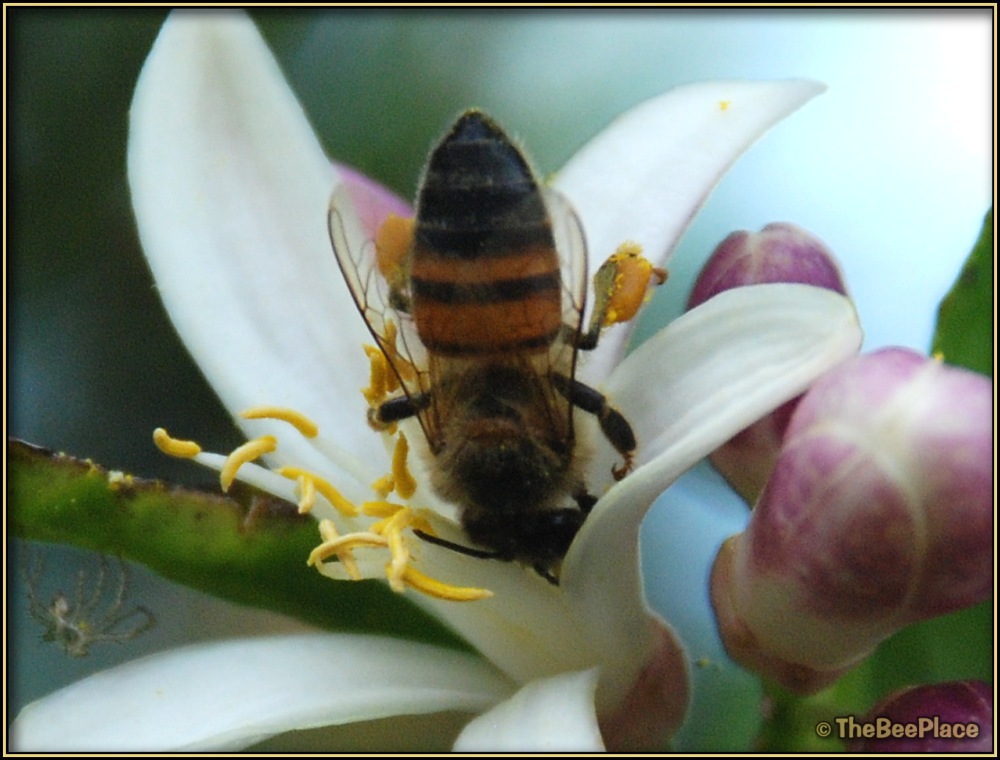
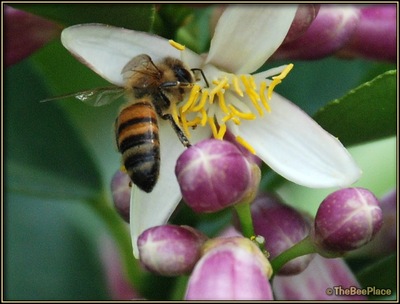
Honey bees are one of the most fascinating creatures on the planet. They are the most intensively studied species in science — second only to humans — and the more researchers learn, the more they realize how much is still hidden inside a single colony.
Beyond their beauty and complex social life, honey bees are irreplaceable pollinators and one of the very few animals that produce a food humans can harvest. It is often said that one out of every three bites of food we eat exists because of bees. Without their pollination work, our tables and grocery shelves would look dramatically different.
On these pages we’ll dive deeper into what makes a honey bee colony tick — from the queen’s quiet chemical language to the collective “mind” of the hive — and explore practical ways we, as beekeepers, can help our bees thrive in today’s changing world.
Feel free to wander through the linked pages in this Learning Center and Help sections. There’s always more to discover, and every small step we take helps keep these amazing little creatures healthy and buzzing in our communities for years to come.

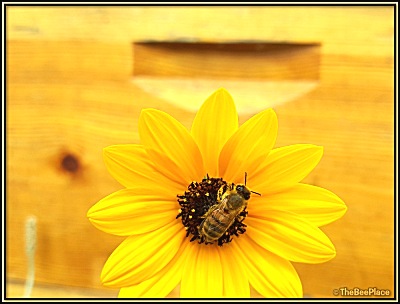
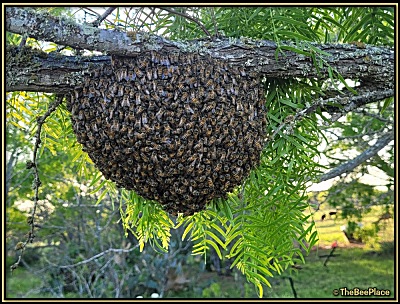
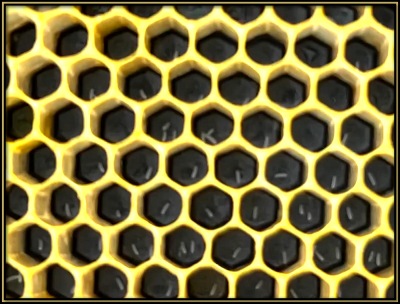
The honey bees we work with in North America are Apis mellifera, often called the Western or European honey bee. Brought here in the 1600s, they spread from east to west and adapted quickly to the landscape.
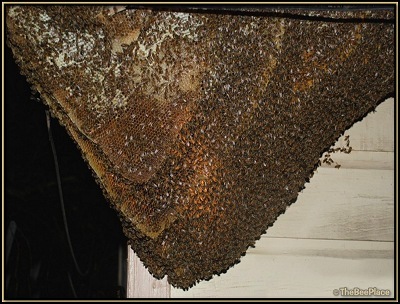
These bees live in highly organized colonies made up of a single queen, thousands of female workers, and male drones. Each has a specific role that supports the survival of the whole hive.
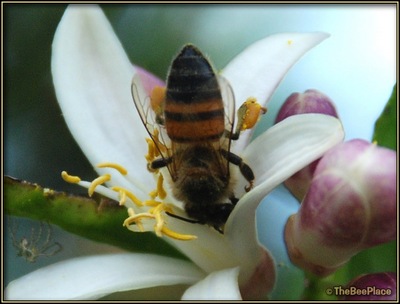
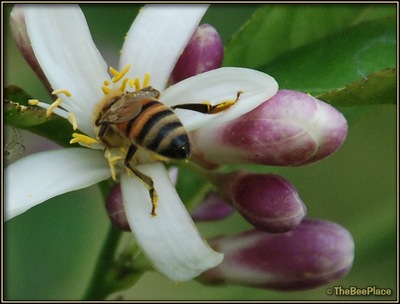
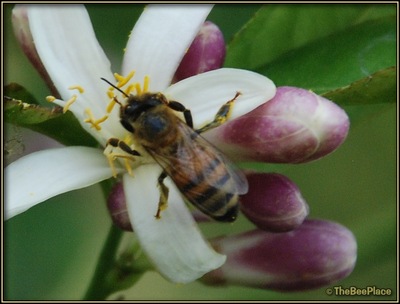
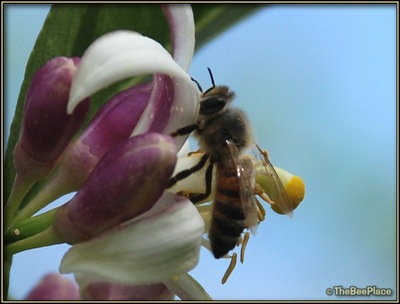
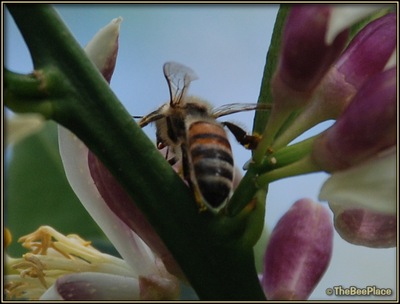
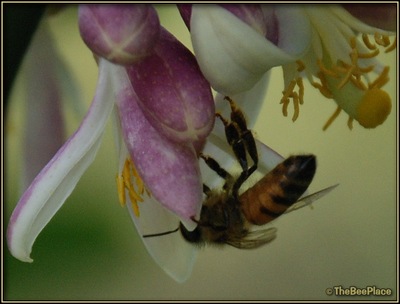
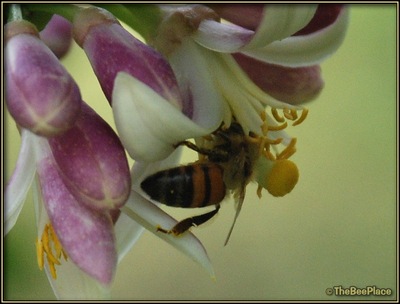
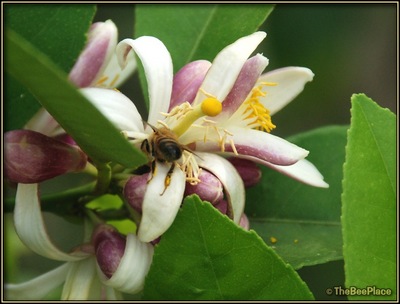
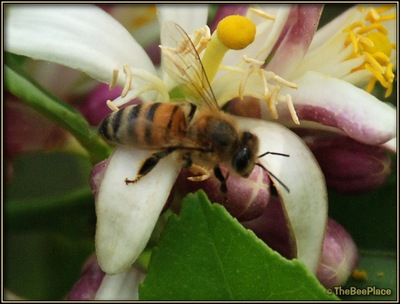
Honey bees are generally docile when managed properly. They are typically brown to black with yellow banding, though color can vary by strain. Like all living creatures, they face pressures from mites, limited forage diversity, and environmental stressors.
While Apis mellifera is the species most of us keep, it is not the only honey bee in the world. Scientists recognize multiple species within the genus Apis, most of which are native to Asia. This Learning Center focuses on the Western honey bee, as it is the species used in modern beekeeping across North America.
If you’d like to explore the biology of how a colony functions—from development timing to the queen’s chemical communication—continue on to the Bee Biology section.