

Robbing

Robbing
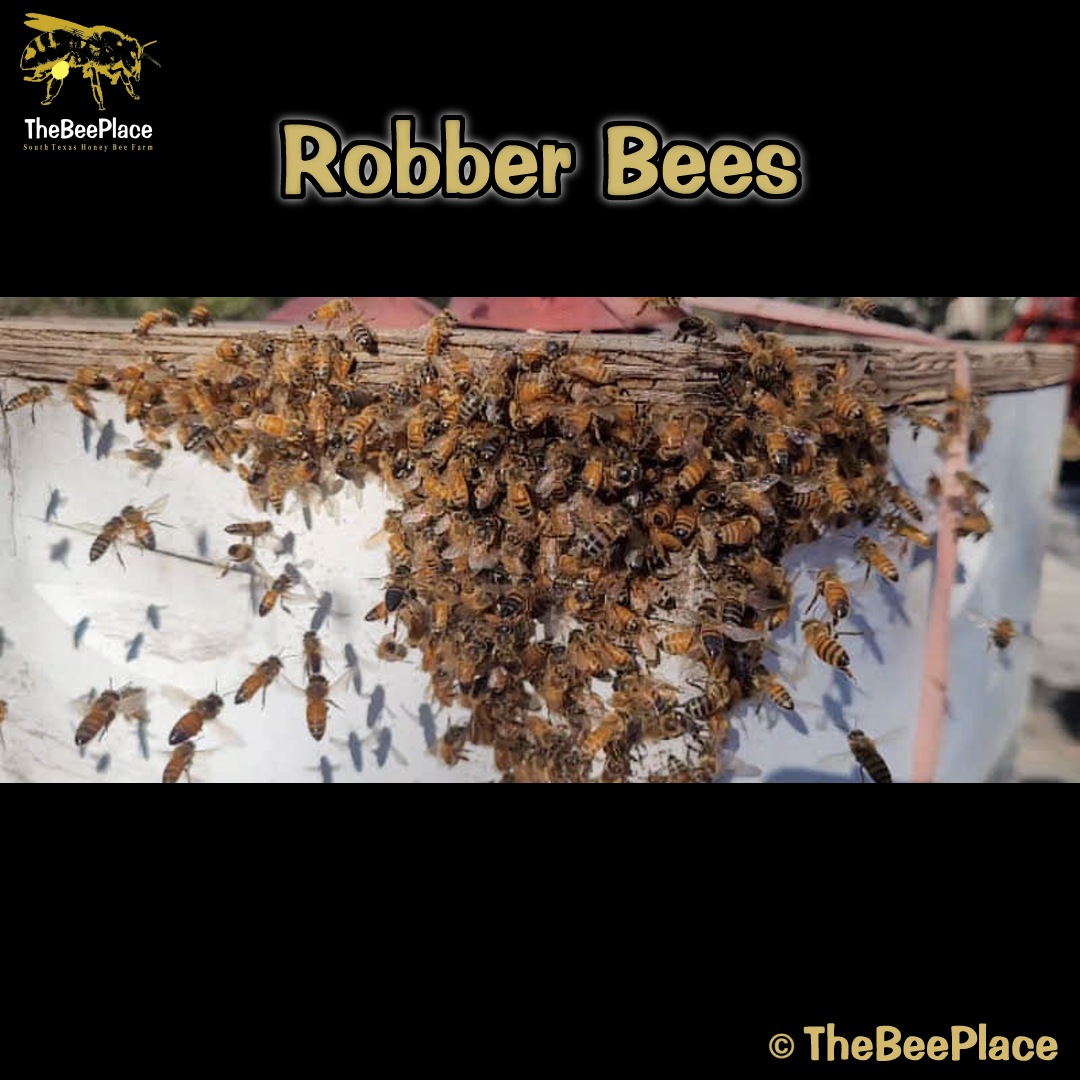
Robbing occurs when bees from one colony attempt to steal honey or syrup from another.
This usually happens during nectar shortages or when food sources are exposed.
Signs of robbing include:
• Aggressive fighting at the hive entrance
• Bees darting quickly in and out instead of landing calmly
• Wax debris or dead bees near the entrance
Robbing can escalate quickly and seriously weaken a colony if not addressed.
Immediate steps:
• Reduce the hive entrance
• Remove exposed feeders or spills
• Avoid opening hives unnecessarily during dearth periods
If you are unsure whether you are seeing robbing or normal activity,
observe carefully before taking action — misdiagnosis can make the situation worse.


Why the 100-Yard Feeding Rule Works
When syrup is offered in an open feeder, bees quickly establish a strong flight pattern between the feeder and their hive. As long as syrup is available, the foragers repeatedly travel back and forth collecting it.
During this process the bees carry the scent of the syrup back to their colony. If the feeder is placed too close to the apiary, that scent can overlap the hive area and attract other bees that are searching for the same food source.
When this happens, bees may begin investigating nearby colonies instead of the feeder itself, which can trigger robbing behavior in the apiary.
Placing open feeders well away from the hives helps prevent this problem. When the feeder is located at a distance, bees searching for the syrup scent remain focused in the feeding area rather than around the colonies once the syrup is gone.
For many beekeepers, placing open feeders roughly one hundred yards or more away from the apiary has proven to be a reliable guideline for reducing robbing risk.
