

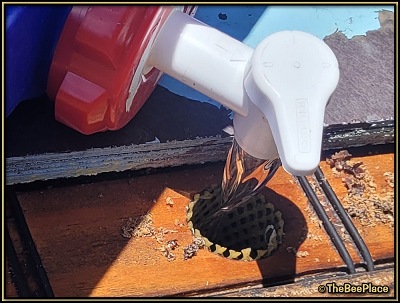
Feeding Bees

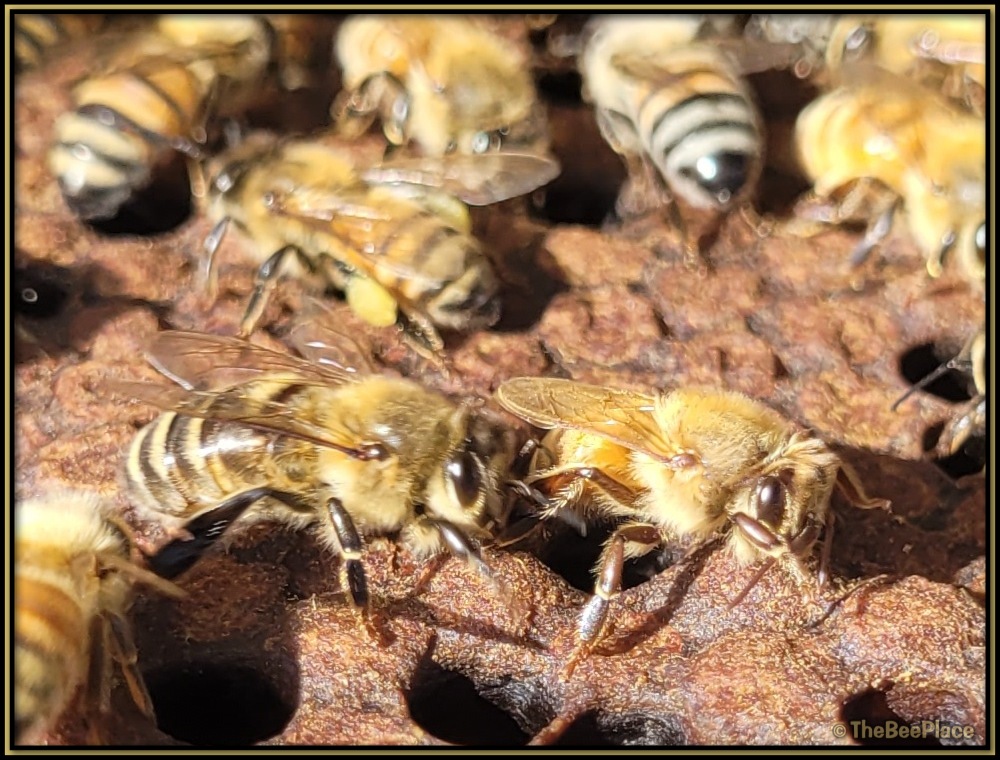
Understanding What Bees Need

Everyone has their own reasons for keeping bees. Some hope to harvest honey, some keep bees to meet agricultural tax requirements, and others may use them for pollination. While the goals may differ, the common denominator is always the same — keeping strong, healthy bees.
Healthy colonies depend on a few basic needs: reliable food, clean water, and an environment where bees can carry out the work they are naturally designed to do. When these needs are met, colonies are usually able to regulate themselves and remain productive.
Beekeeping advice is best treated as general guidance rather than strict rules. Conditions in nature constantly change, and every beekeeper may have different goals for their colonies. Learning to recognize what the bees require is the best place to start.
See below for more about setting beekeeping goals and understanding what strong colonies need.

Beekeeping Goals
Because people keep bees for different reasons, their management goals may also be different. One beekeeper may focus on producing a crop of honey, while another may simply want to maintain healthy colonies for pollination or to meet agricultural tax requirements.
Understanding your goals helps determine how you manage your bees. Some situations may require more active management, while others simply require providing the basic resources that allow the bees to thrive.
One helpful approach is to think in terms of preventive maintenance rather than corrective maintenance. Planning ahead for seasonal changes, watching nectar availability, and providing resources before colonies become stressed can help prevent many common problems.
Learning to recognize what is happening inside the hive during inspections becomes easier with time and experience. With each visit to the apiary, beekeepers develop a better understanding of what strong, healthy colonies should look like.
This section provides a few examples of the basic resources that honey bees depend on and how beekeepers can support them when natural conditions change.


