

Learning Center

Honey Bee Learning Center
With careful observation and continued education, understanding comes naturally.
This section serves as the central hub for practical information about honey bees, working with colonies safely, and the tools, equipment, supplements, and medications we use to help keep bees healthy.
We want our customers to succeed and enjoy beekeeping, so we do what we can to help. We receive calls every day with questions that range from “What should I do for winter?” to “Why are my bees gone?” to “When do I add the second box that came with my hive?”
While we can offer suggestions and help explain the fundamentals, the truth is that beekeeping involves far too many variables for any simple “one size fits all” answers.
Because of that, we created this Learning Center along with our Help and How-To sections to provide guidance, reference material, and links to additional trusted resources for beekeepers who want reliable information.
Description
Honey Bee Learning Center
Welcome to the educational hub of The Bee Place.
Observation Over Rigid Rules
Nature does not operate on rigid deadlines.
Honey bee colonies vary based on genetics, nutrition, weather patterns, nectar flow, stress levels, queen quality, and seasonal timing. Because of these variables, there is rarely a single date on a calendar that guarantees a specific outcome.
When someone says, “You must do this by such-and-such day,” they are often simplifying a process that actually depends on many moving parts.
Our approach is based on experience that has taught us something simple:
Observation comes first.
What is the colony telling you?
What is the weather doing?
What resources are available?
What stage of development are the bees in?
Education provides the framework.
Observation provides the timing.
Together, those two things build confidence — and better beekeepers.
Here you will find practical information about honey bees, hive biology, seasonal learning, and trusted resources for beekeepers of all experience levels.
For example; Management goals determine feeding strategy.
A beekeeper raising bees for honey production, pollination services, or property tax valuation may manage feeding differently depending on the desired outcome for the colony.
Browse the topic sections below to explore bee biology, Varroa mites, apitherapy, and additional learning materials.
Looking for information that addresses common beginner questions with step-by-step illustrations?
Visit our Help section for troubleshooting topics and pickup-day guidance.
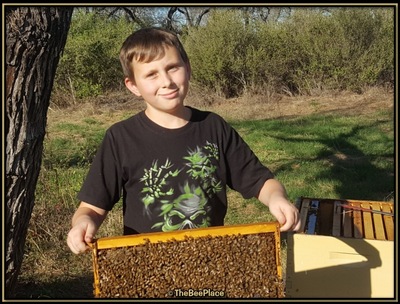
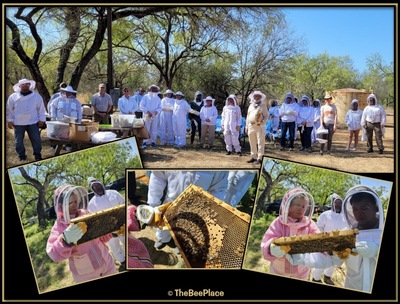
The Bee Place — South Central Texas
Where to Start
Where to Start
Beekeeping is a fascinating journey, not a race. It is completely normal to feel overwhelmed at first — there is a lot to learn, and there is rarely a single “one size fits all” answer for every situation.
The good news is that you do not need to know everything to get started. The more you observe, read, and gain experience, the more confident you will become over time.
This Learning Center is designed to provide trusted reference material, practical explanations, and links to resources we respect from the wider beekeeping community.
With careful observation and continued education, understanding comes naturally.
Start with the topic cards above and explore at your own pace.
Help Channels
Looking for Practical Help?
If you are looking for step-by-step guidance or help troubleshooting a common situation, our Help section is a good place to begin.
Common starting points include:
- Getting Started
- Installing a Nuc
- Feeding Bees
- Order Pickup Instructions
- After You Get Home
- Bee Health & Queen Questions
The Learning Center explains the “why”.
The Help section focuses on “what do I do next?”.


